Cloud Forest & Coast: A Field Learning Expedition in Costa Rica | Somos Impact Travel
Somos Impact Travel
{{ slidesEl }}
COSTA RICA · 9-DAY FIELD LEARNING EXPEDITION · HIGH SCHOOL GROUPS

Cloud Forest & Coast

A cloud forest reserve run by a public high school in Monteverde and a Pacific nesting beach patrolled every night of the season by CREMA biologists and the people of Playa Coyote.

{{ slideCount }} {{ dotsEl }}
Duration9 days, 8 nights
GroupFlexible; school groups typically 15 to 30
LocationsSan José, Monteverde, Playa Coyote (Nicoya Peninsula)
DatesFlexible, June to December nesting season
Program rate$3,950 per participant, airfare included
The program

Two Conservation Landscapes, Two Forms of Protection

This program moves through the cloud forest above Monteverde, where fog condenses onto leaves and epiphytes outnumber the trees that host them, and the Pacific beaches of the southern Nicoya Peninsula, where olive ridley sea turtles come ashore to nest between June and December. Participants spend three days in the highlands and four on the coast, each built around a conservation model.

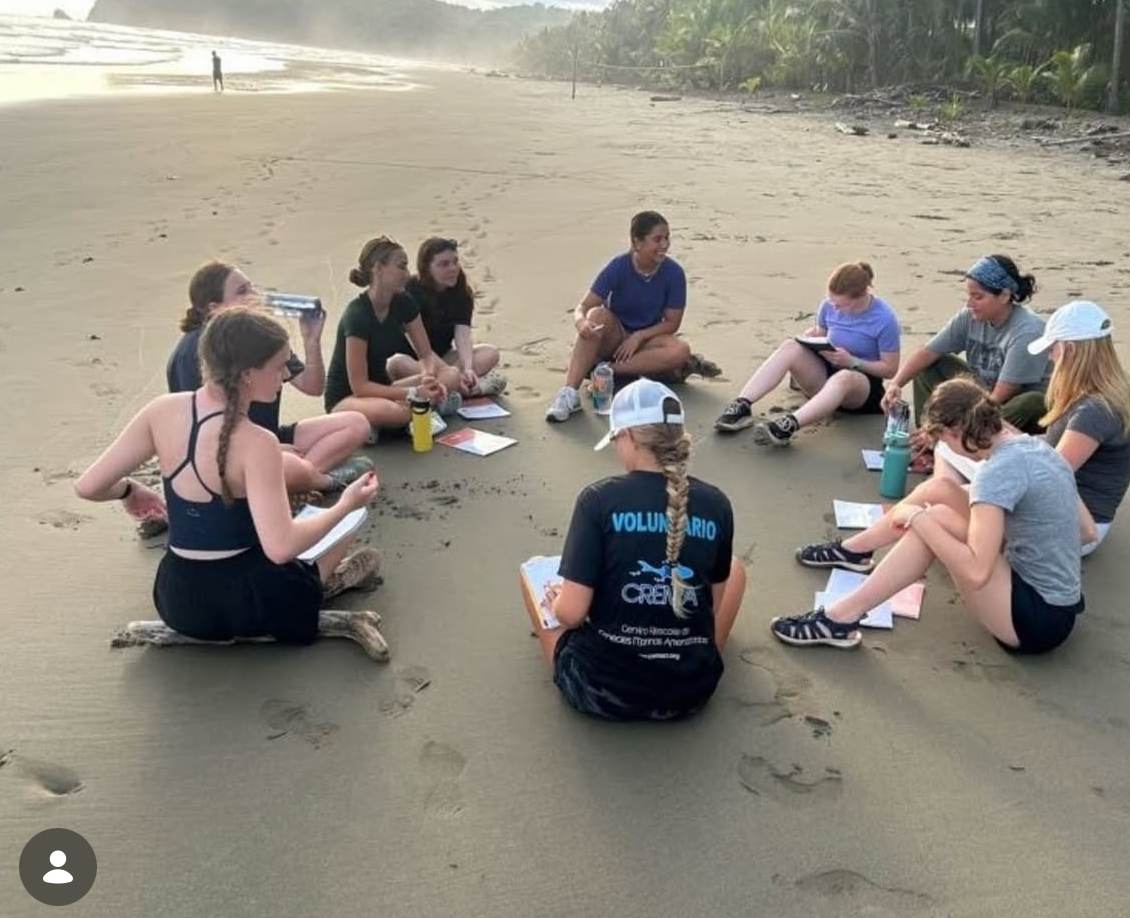
At Santa Elena, a public high school board manages one of Costa Rica's most visited cloud forest reserves and directs the proceeds back into the school and the town's environmental programs. At Playa Coyote, CREMA has run nest relocation and hatchery protection since 2012 and coordinates the community's night patrols. Participants walk reserve trails built and maintained by students, and patrol a nesting beach in the dark alongside the biologists and community members who do this work every night of the season.

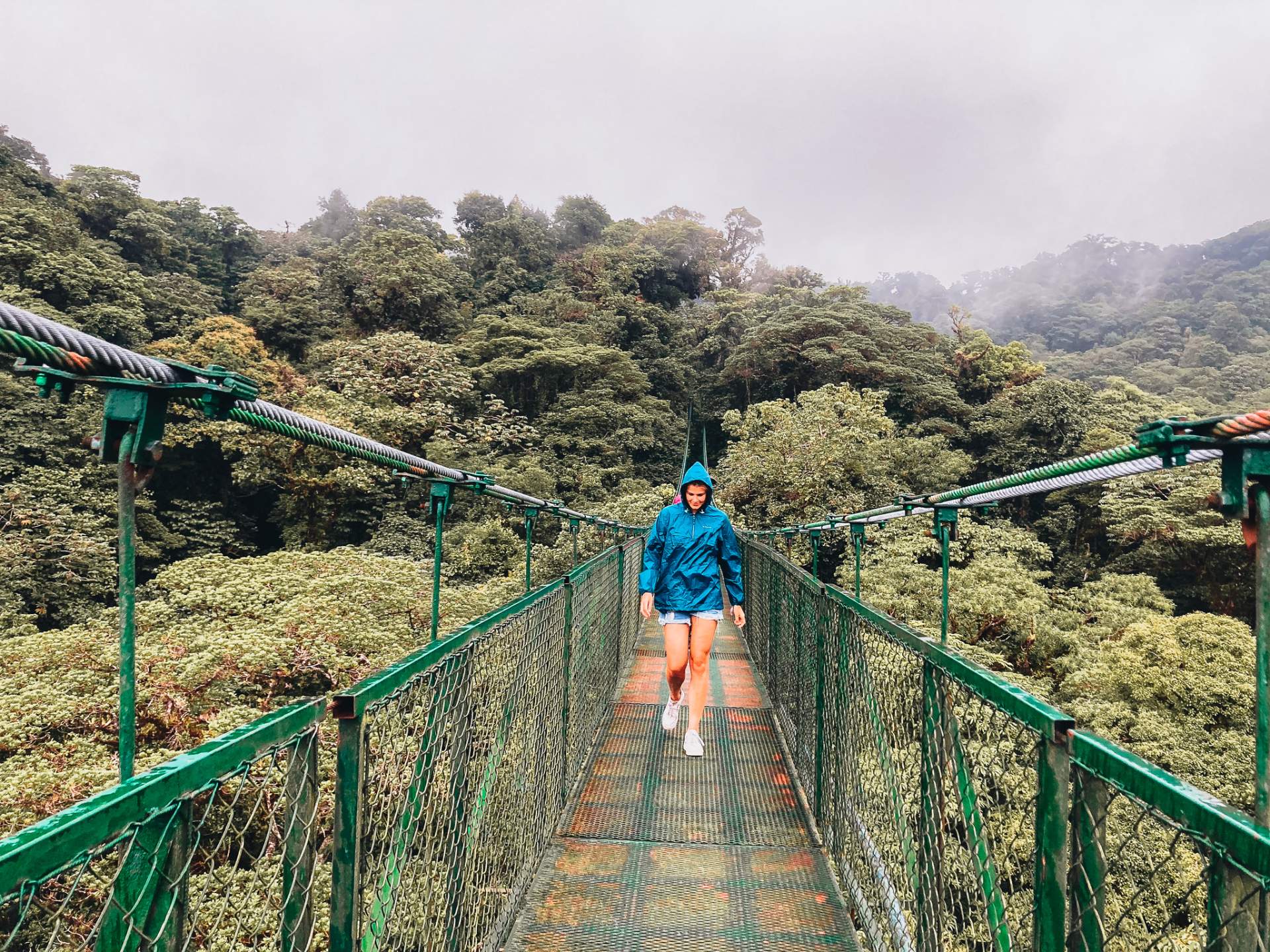
A traveler in a blue rain jacket crossing a green suspension bridge above misty cloud forest canopy
DRIVING QUESTIONS

What does it take for a community to choose protection over extraction? What if that choice has to be renewed every season?

In Monteverde, protection is a century-old, formal decision. On the coast, it is renewed nightly: a nest is only safe if someone finds it before a predator or a poacher does. The two segments are addressed through reflection sessions and structured field journaling led by experienced field educators.

Lenses of inquiry
01

Protection as an Institution

Santa Elena Cloud Forest Reserve

A reserve managed by a school board, funded by entrance fees, and maintained by the institution that educates the town's children.

02

A Shared Coastline

Bejuco

A fishing community whose relationship to the ocean runs through fishing and conservation at once.

03

Protection Renewed Nightly

CREMA, Playa Coyote

Night patrols that have to happen every night of the season, without exception, for the olive ridley population to hold.

04

From Fog to Tide

Watershed thinking

How forest cover at elevation shapes the water systems, mangroves, and fisheries that reach the coast.

Program structure

Itinerary at a Glance

Day 1 · San José

Arrival and Orientation

Airport pickup, group orientation, and a welcome dinner.

Days 2 to 3 · Monteverde

Into the Cloud Forest

The climb to Santa Elena, then a full day inside the school-run cloud forest reserve.

Day 4 · To the coast

Mountain Fog to Pacific Heat

Across the Tempisque bridge to Playa Coyote and an evening orientation with CREMA.

Day 5 · Bejuco

Mangroves and a Fishing Community

A mangrove tour, a sustainable fishing talk, and hands-on reforestation.

Day 6 · Playa Coyote

The Night Patrol

Beach cleanup and turtle biology by day, then a night patrol and hatchery work.

Days 7 to 9 · Coast to home

Tide Pools, Synthesis, Departure

Low-tide exploration, a closing reflection, the drive to San José, and the flight home.

See the full itinerary
Safety and student support

Safety Makes Everything Else Possible

Every Somos program runs on protocols developed and refined across 10+ years of in-country operations. In Costa Rica that means specific plans for mountain roads, cloud forest trails at elevation, and nighttime work on an active nesting beach.

24/7 In-Country Support

Round-the-clock emergency communication and in-country support from Somos throughout the program.

CPR and First-Aid Certified Guides

Bilingual guides certified in CPR and first aid, with comprehensive medical kits on every activity.

Licensed and Insured Transport

Vetted providers experienced with student groups, and drivers who know the San José to Monteverde mountain route.

Night Beach Protocols

Designated group leaders, headcounts at every transition, a red-light-only policy near nests, and handling rules set by CREMA staff.

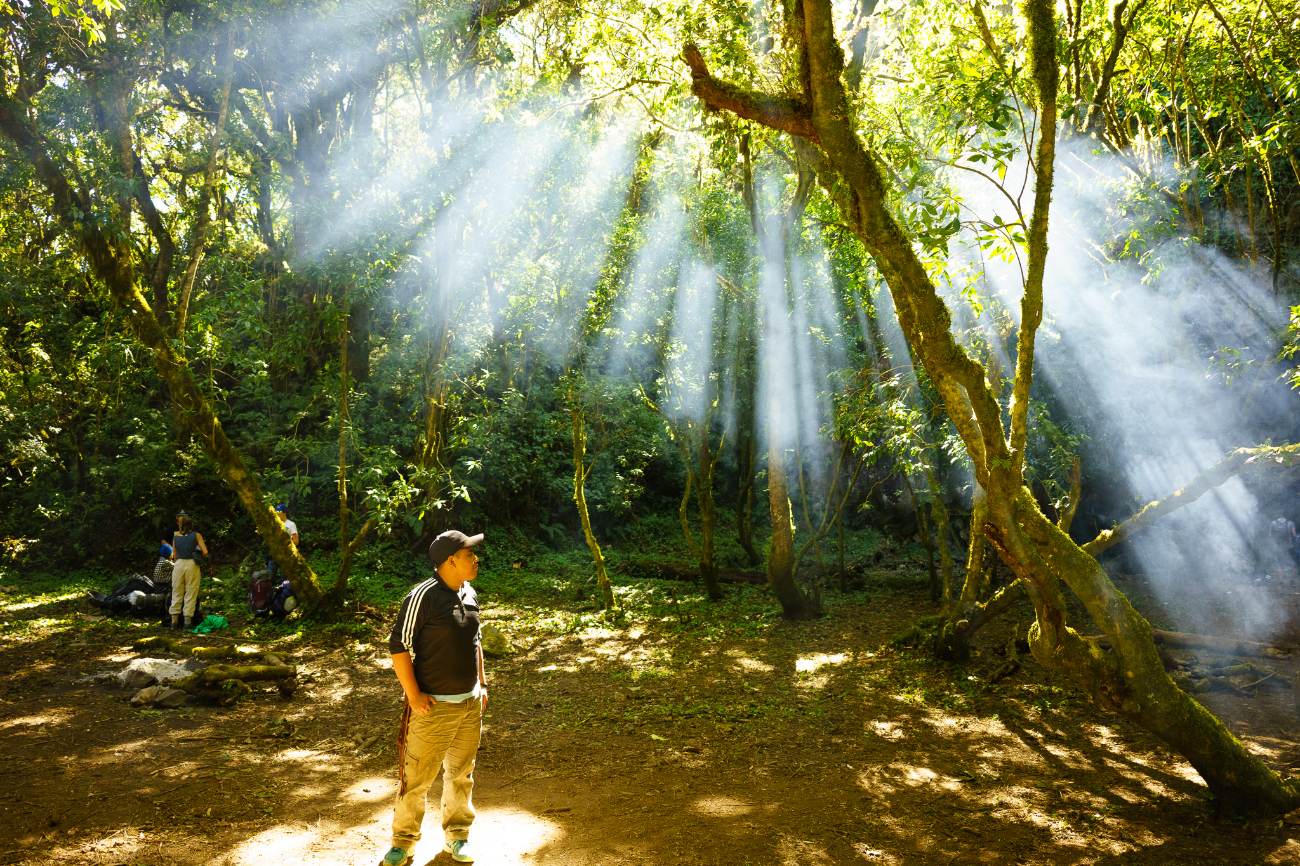
A local guide standing in a forest clearing as shafts of sunlight cut through the mist
10+
years of in-country operations
1,000+
travelers guided across the region
2012
year CREMA began nest protection at this coast
About Somos Impact Travel

We Build the Bridge. Local Experts Do the Teaching.

Somos Impact Travel builds partnership-based learning expeditions across Central America, combining field-based rigor with authentic community access for schools that take educational outcomes seriously.

The Santa Elena school board staff who manage the reserve, the CREMA biologists who run the Playa Coyote nesting program, and the fishing families of Bejuco cannot be booked through a conventional tour operator. These are relationships built through direct partnership. Our NGO partners and community leaders are the teachers and the protagonists of every program, never the supporting cast. That is a structural choice, not a marketing line.

Somos was started by educators and travel leaders with decades in the region. The communities we work with need advocates who listen, and partners who return.

Testimonials

From Somos Student Travelers in Central America

"One thing I learned here that I couldn't learn in the classroom back home was people's living situation, like how they live and their own personal stories."
Student · Shoulder to Shoulder · Belize · 2026
"If I can go away from a week without my phone and not talk to anyone back home, and just meet a whole new group of people, then I can do more things."
Student · Shoulder to Shoulder · Belize · 2026
"I would say to the student to try to be more open-minded about different things, because you're going through a new culture, a new place, and all of that."
Student · Shoulder to Shoulder · Belize · 2026
Detailed itinerary
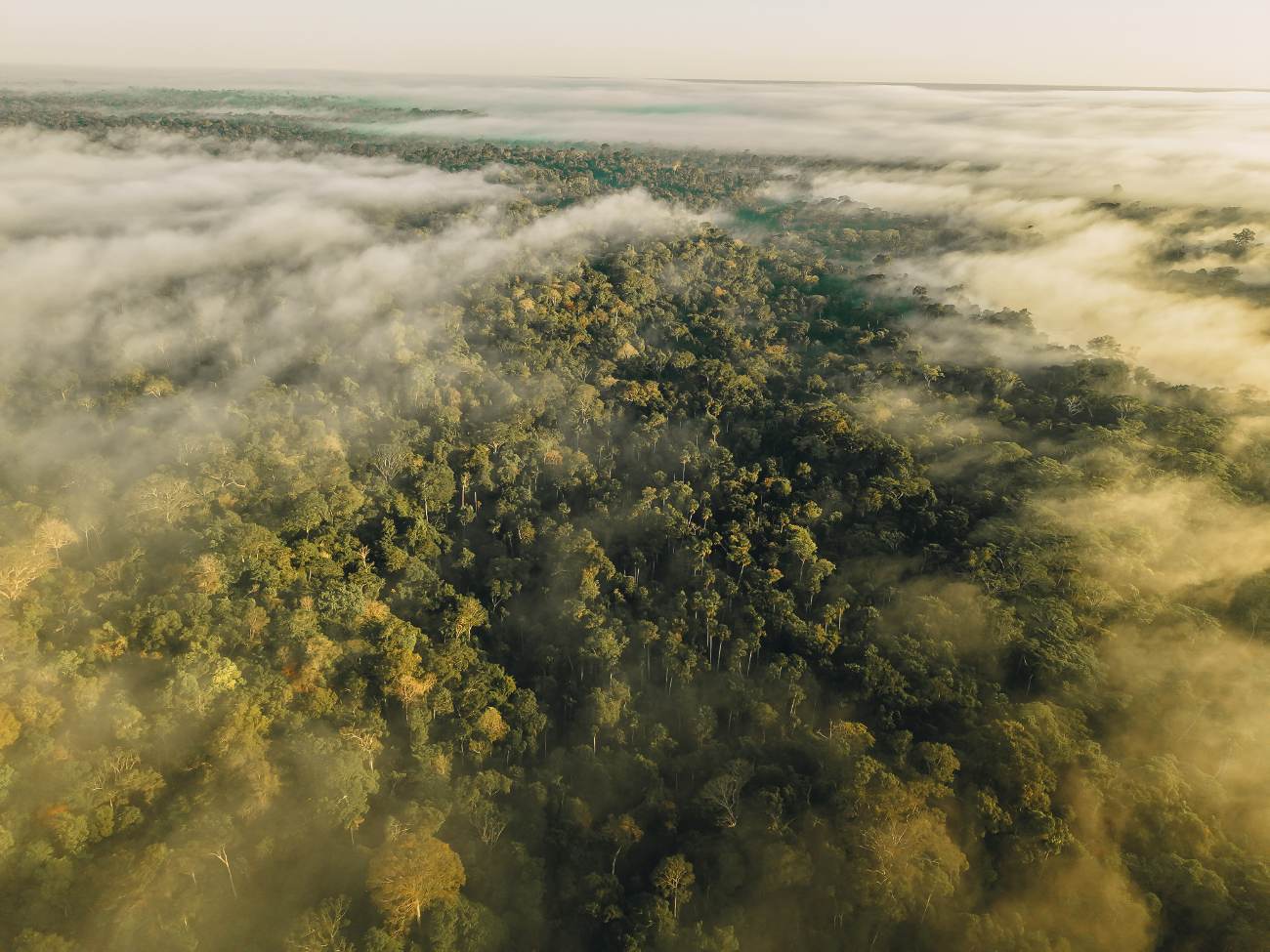
Aerial view of morning fog drifting over dense tropical forest canopy
DAY 1

Arrive San José

The program begins with arrival into San José and a first orientation to the two ecosystems ahead. The group meets, sets expectations for the days in the cloud forest and on the coast, and rests before an early departure.

Afternoon
  • Airport pickup and transfer to hotel
  • Group orientation: program overview, safety briefing, and an introduction to the two conservation partners ahead
Evening
  • Welcome dinner
EVENING REFLECTIONWhat do you assume protecting a forest or a beach requires? 

Overnight: Hotel near San José
Logistics: Airport pickup, road transportation, accommodations arrival, group orientation
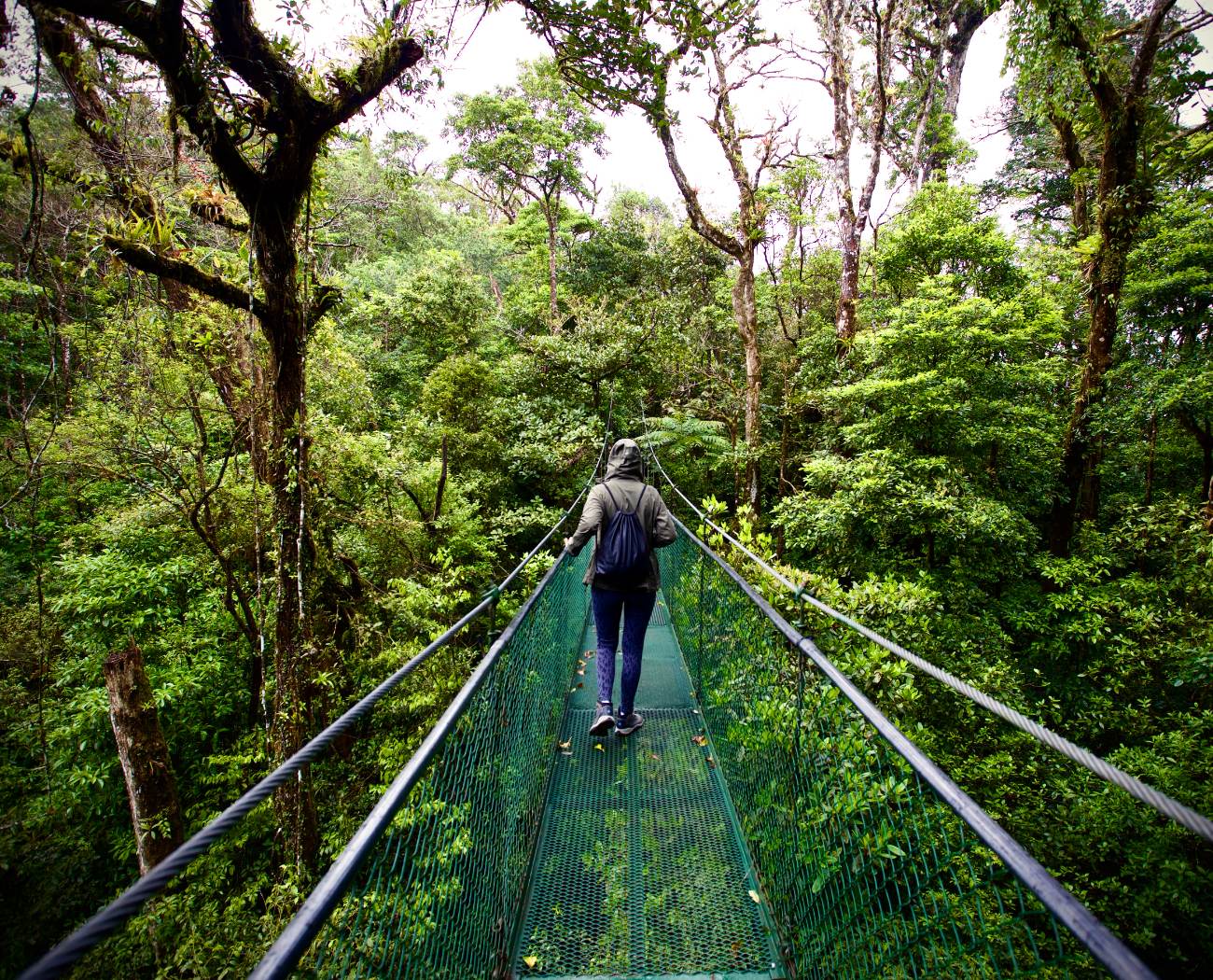
A traveler in a rain jacket walking away along a suspension bridge into moss-covered cloud forest
DAY 2

San José to Monteverde

The road to Monteverde climbs out of the Central Valley and into cloud forest terrain, a transition students feel as the temperature drops, fog thickens, and vegetation changes.

Morning
  • Depart San José for Monteverde by private transport (3 to 4 hours)
Afternoon
  • Arrival and check-in
  • Orientation walk through Santa Elena town: the community and its relationship to the reserve
Evening
  • Group dinner
  • Briefing on tomorrow's full day at Santa Elena Cloud Forest Reserve

Overnight: Hotel or lodge, Santa Elena / Monteverde (Night 1 of 2)
Logistics: Mountain road transport, elevation change, curvy terrain, arrival logistics

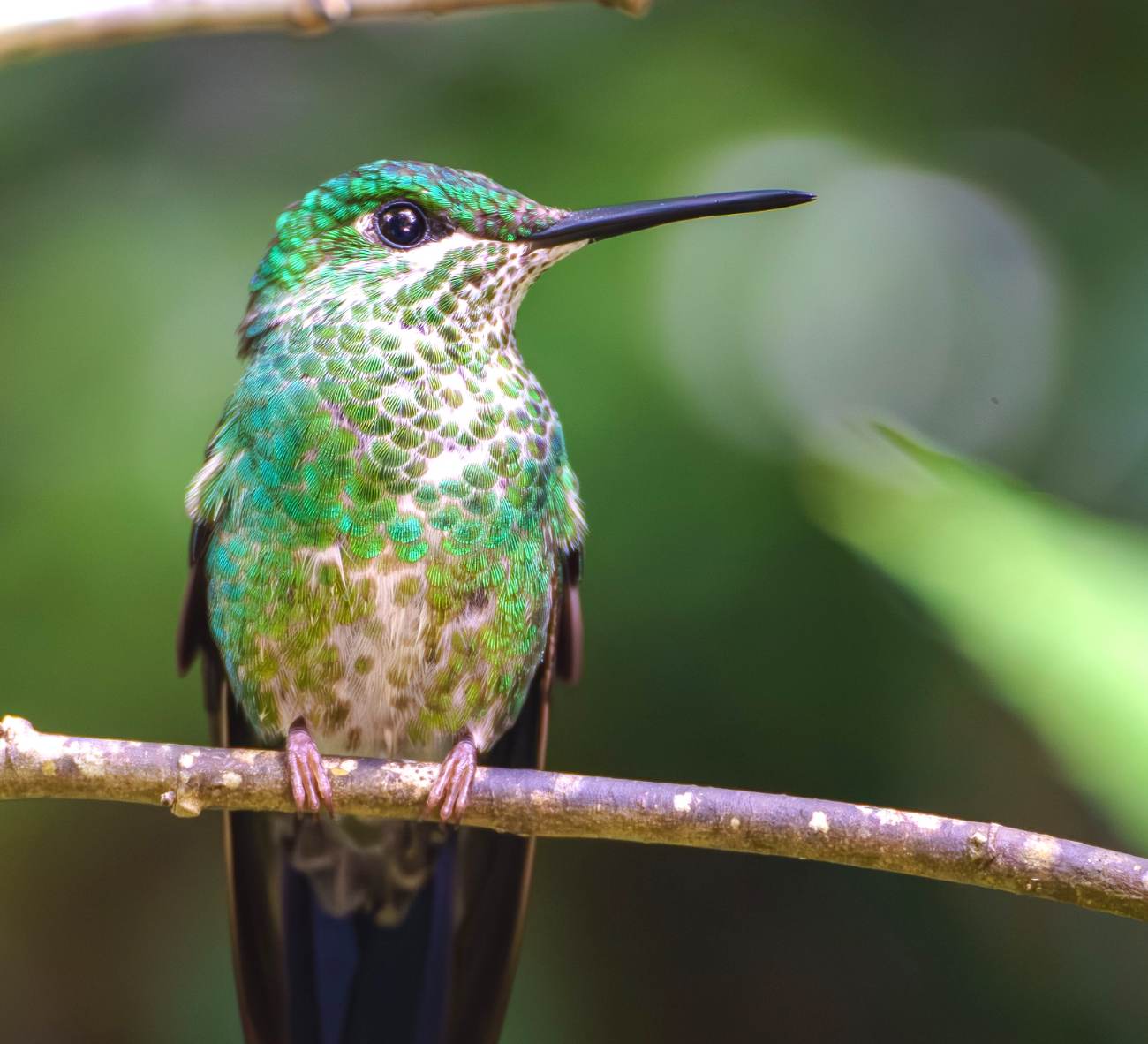
A green-crowned hummingbird with iridescent scaled feathers perched on a thin branch
DAY 3

Santa Elena Cloud Forest Reserve

Santa Elena is one of the only reserves in Costa Rica run directly by a public school board, and entrance fees fund the school. Students spend the day walking trails built and maintained through the community labor that runs the reserve.

Full day at Santa Elena Cloud Forest Reserve
  • Guided natural history walk through the reserve with local staff
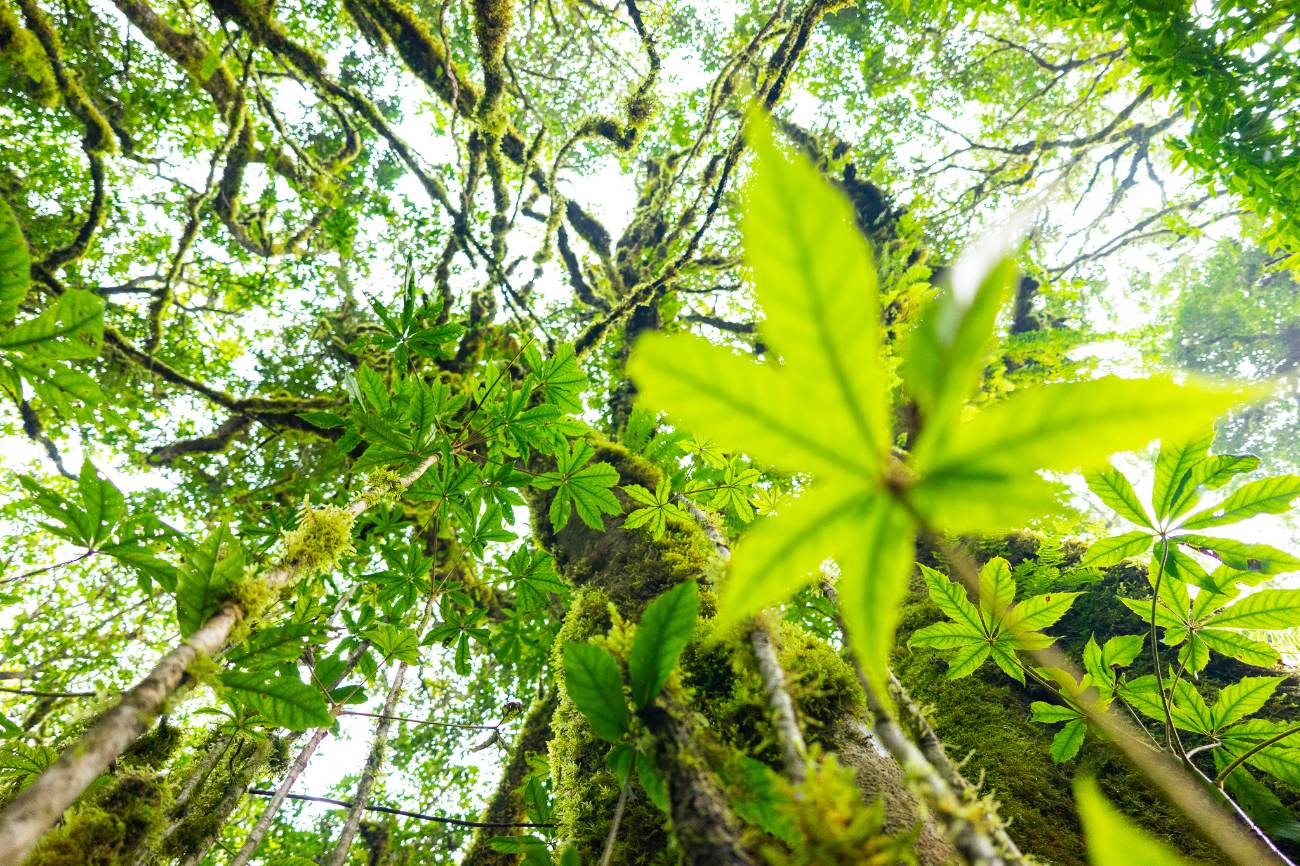
  • Field observation of cloud forest ecology: canopy structure, epiphyte density, fog interception, and the endemic species that depend on this altitude band
  • Working conversation with reserve staff on how entrance fees fund the school and the town's environmental education programs
LENS OF INQUIRYWhat does it change when the institution protecting a forest is the same institution educating the town's children?

Overnight: Hotel or lodge, Santa Elena / Monteverde (Night 2 of 2)
Logistics: Steep and uneven trail terrain, high humidity and fog, wildlife observation ethics, group pacing at elevation

Students sitting in a circle on the sand with field notebooks, alongside a CREMA team member
DAY 4

Monteverde to Playa Coyote

The route from the cloud forest to the coast crosses the Tempisque bridge and drops the group from mountain fog into Pacific heat. Arrival at Playa Coyote is followed by orientation.

Morning
  • Depart Monteverde for Playa Coyote via the Tempisque bridge route
Evening
  • Arrival at Playa Coyote
  • Orientation with the CREMA and Turtle Trax team: program overview, patrol protocol, and hatchery safety briefing

Overnight: Beachfront hotel or lodge, Playa Coyote (Night 1 of 4)
Logistics: Extended road transport, river crossings, arrival logistics, orientation to a remote coastal setting

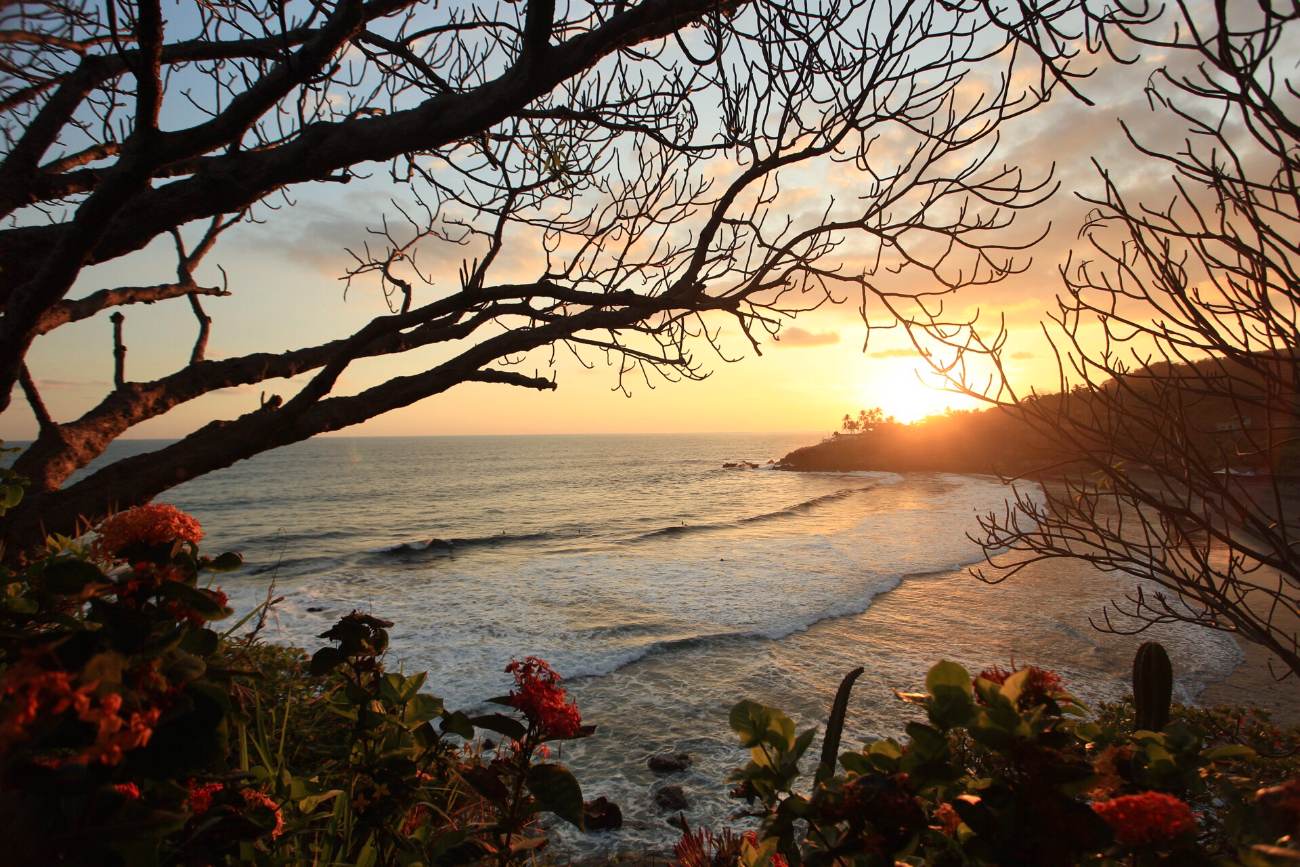
Sunset over a curving Pacific bay framed by bare branches and red flowers
DAY 5

Coastal Conservation in Bejuco

Bejuco sits on the stretch of coast CREMA has worked since 2012, and the community's relationship to the ocean runs through fishing and conservation. 

Full day in Bejuco
  • Guided mangrove tour with a local naturalist
  • Sustainable fishing talk with members of the Bejuco fishing community
  • Hands-on reforestation work in the mangrove system
LENS OF INQUIRYWhat does it take for a fishing community to become the reason a coastline stays intact?

Overnight: Beachfront hotel or lodge, Playa Coyote (Night 2 of 4)
Logistics: Mangrove terrain, boat-based activity if applicable, sun exposure, community interaction protocols

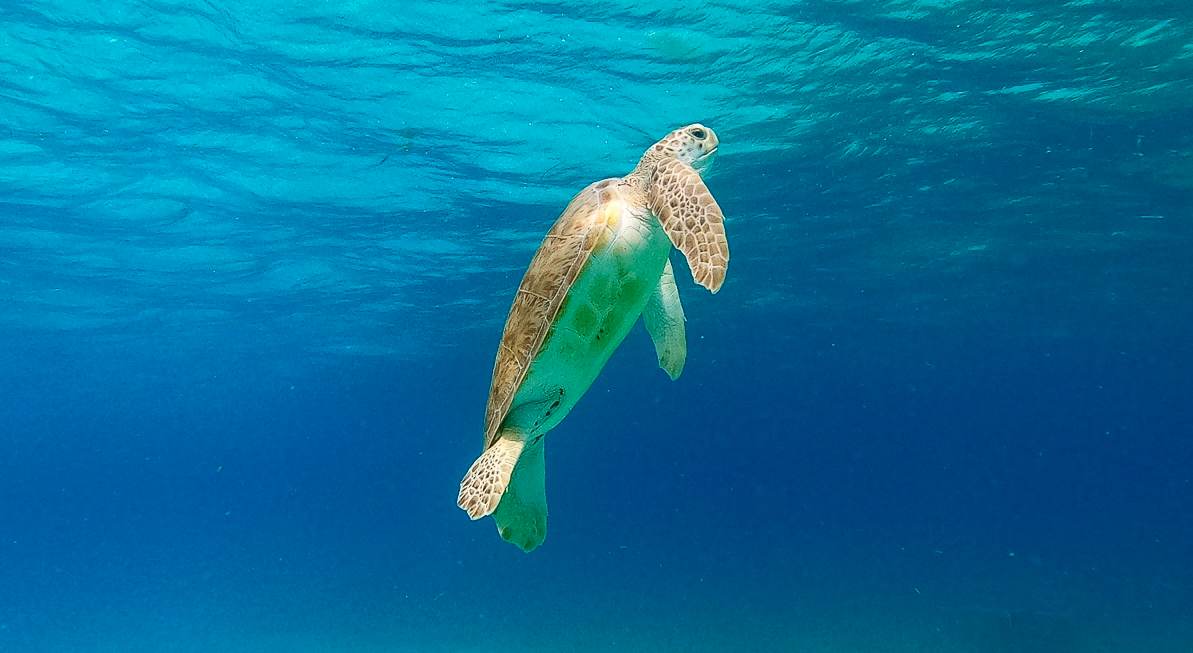
A green sea turtle swimming up toward the surface through clear blue water
DAY 6

Sea Turtle Conservation

This is the day the program is built around. Whether the group finds a nesting mother, relocates eggs, or releases hatchlings varies, as this work does not run on a fixed schedule.

Daytime
  • Beach cleanup along the CREMA patrol zone
  • Educational talk with CREMA staff on sea turtle biology, nesting cycles, and the threats facing olive ridley populations on this coast
Evening
  • Night patrol along the beach searching for nesting females, led by CREMA and Turtle Trax staff
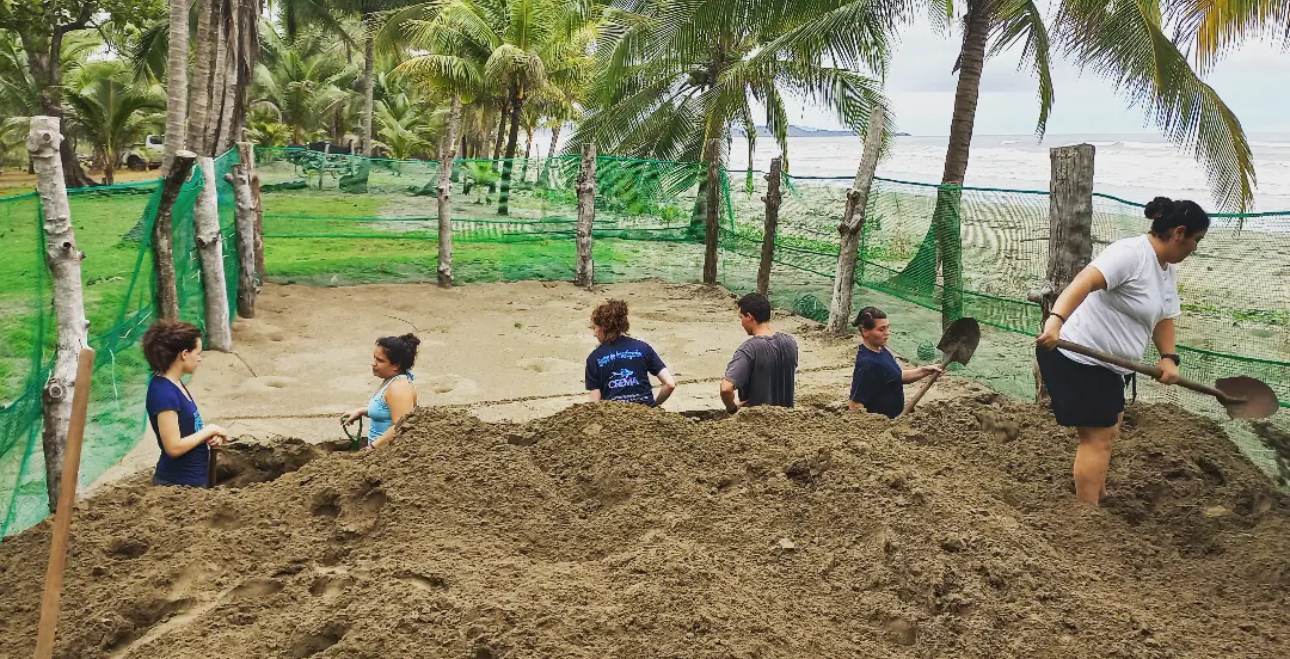
  • Nest data collection and egg relocation to the protected hatchery
  • Possible hatchling release, depending on timing and current hatchery activity
EVENING REFLECTIONCREMA's protection only works if someone walks this beach tonight, and every night after. What does that kind of protection cost the people who provide it?

Overnight: Beachfront hotel or lodge, Playa Coyote (Night 3 of 4)
Logistics: Night beach terrain, low visibility, tidal conditions, wildlife handling protocols, group cohesion in darkness

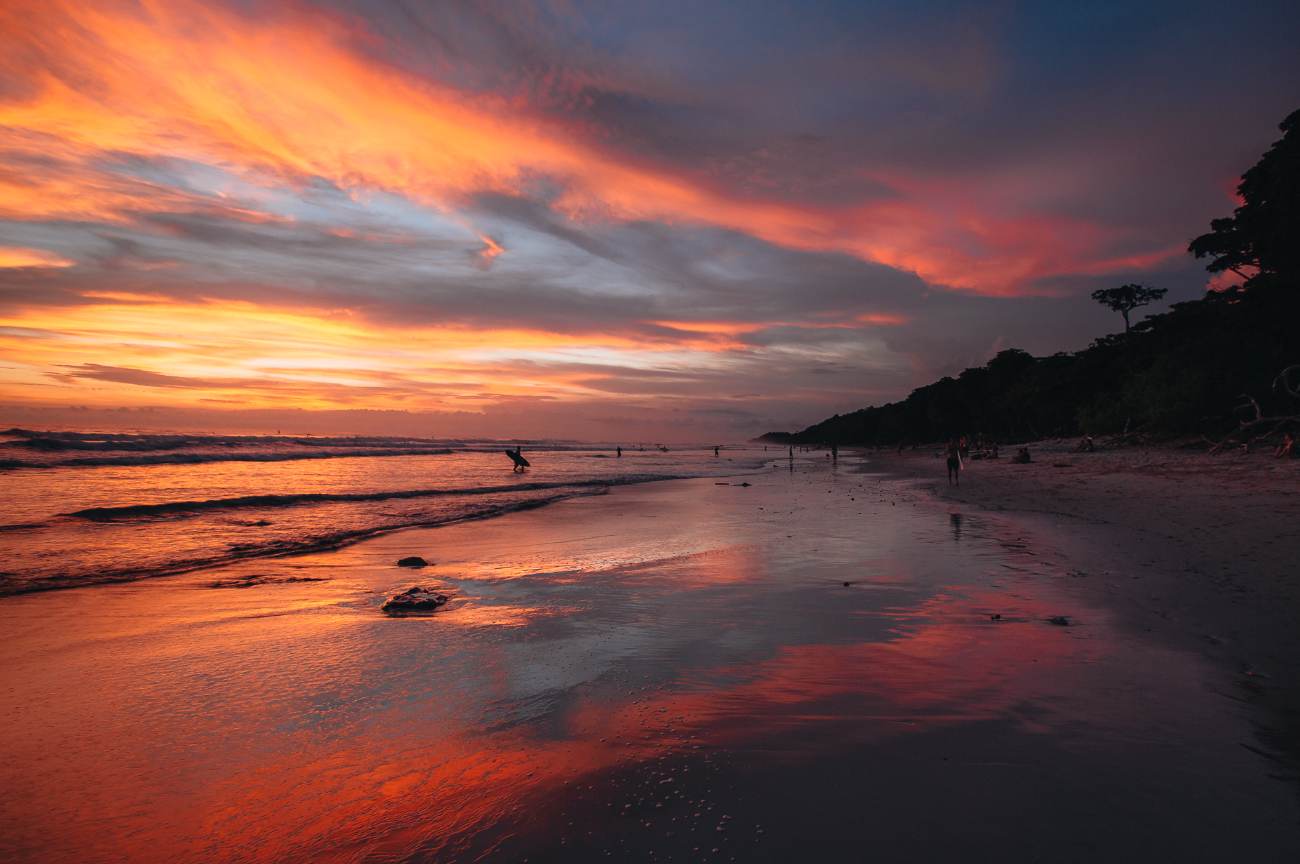
A surfer walking into the Pacific under a vivid orange and violet sunset reflected on wet sand
DAY 7

Coyote Coast, Tide Pools, and Free Time

The final full day on the coast slows the pace. Low tide exposes the rocky points near Playa Coyote for direct observation, and the afternoon leaves room for the group to process two ecosystems before the return to San José.

Morning
  • Tide pool exploration along the rocky points near Playa Coyote
  • Species identification and intertidal zonation observation
Afternoon
  • Free time on the beach
Evening
  • Beach cleanup
  • Closing reflection: comparing the Santa Elena and CREMA models of protection

Overnight: Beachfront hotel or lodge, Playa Coyote (Night 4 of 4)
Logistics: Slippery rocks and tide pool terrain, sun exposure, tide timing, free time boundaries

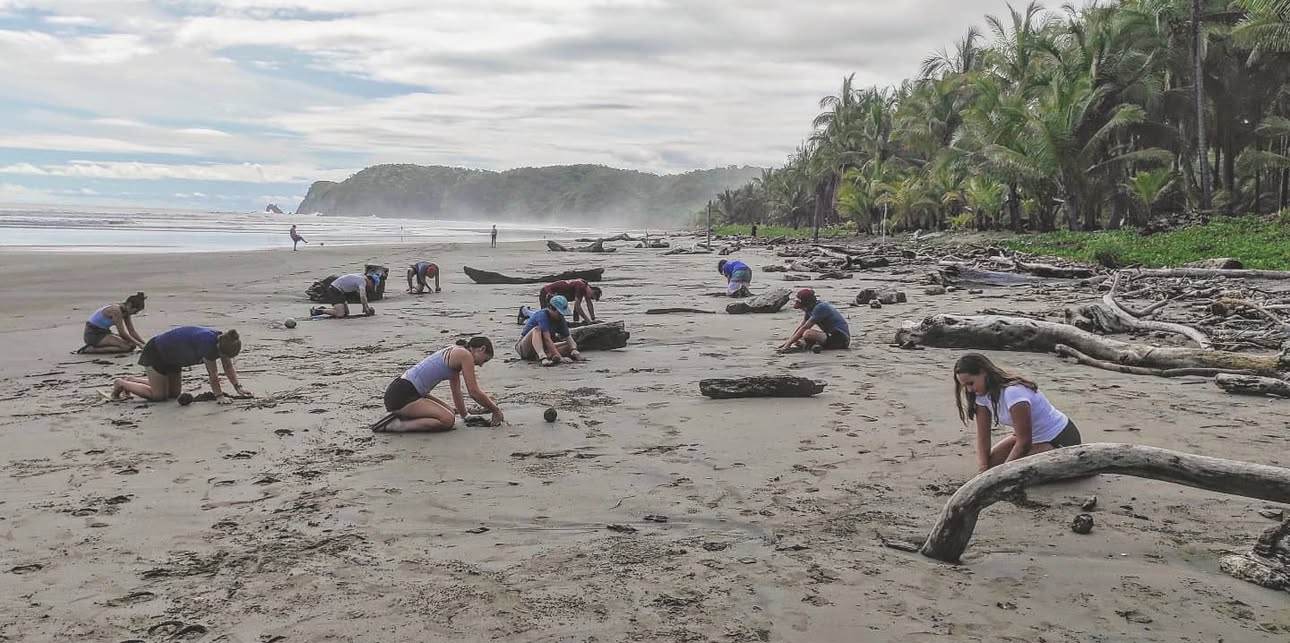
Students kneeling across a wide driftwood-strewn beach, working in the sand below a forested headland
DAY 8

Playa Coyote to San José

The return drive gives the group time to sit with a week of contrast: a forest protected by permanent institutional structure, and a beach protected by nightly, renewable labor. Tonight's dinner is the closing conversation for the program.

Morning
  • Depart Playa Coyote for San José
Evening
  • Final group dinner
CLOSING SYNTHESISWhat does each community's model of protection ask of the people inside it?

Overnight: Hotel near San José
Logistics: Extended road transport, fatigue management, final night logistics

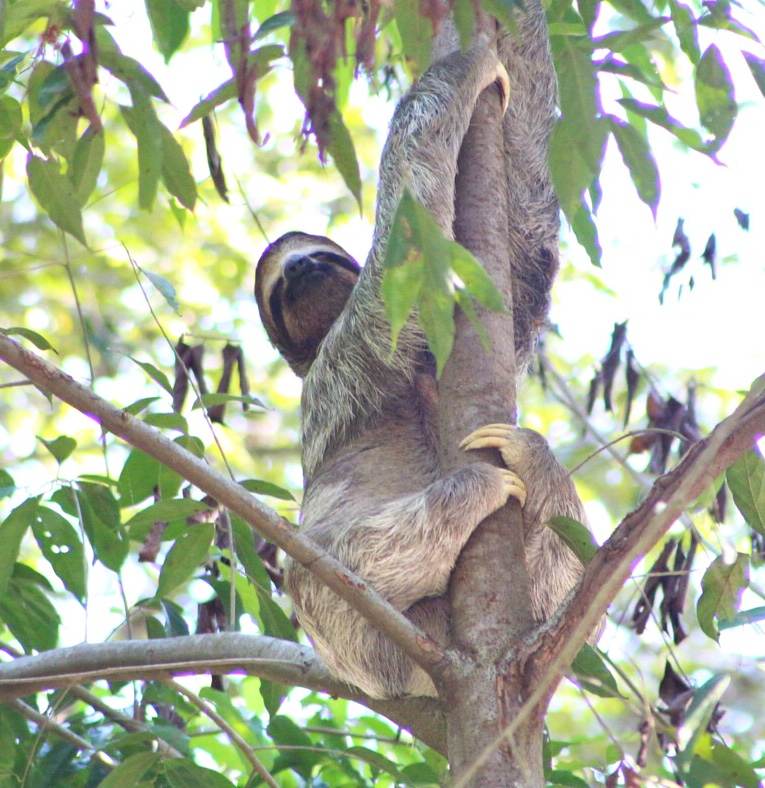
A three-toed sloth climbing a slender tree trunk among green leaves
DAY 9

Departure

The program closes with breakfast and departure.

Morning
  • Breakfast
  • Airport transfer

Logistics: Airport transfer, luggage and passport check, departure timing coordination

Impact partners

The School Board, Biologists, and Fishing Families behind this Program

All community and reserve access fees are built into the program cost, and partner organizations are compensated for their time and expertise. At Santa Elena, every admission is a direct contribution to the school that trains the reserve's own field staff.

Students and CREMA staff shoveling sand inside a fenced beachside turtle hatchery
Turtle Trax
Main partner · Days 4 to 7

CREMA and the Playa Coyote Sea Turtle Program

Centro de Rescate de Especies Marinas Amenazadas, southern Nicoya Peninsula, since 2012

CREMA, the Rescue Center for Endangered Marine Species, manages sea turtle nesting projects on the beaches of Costa de Oro and San Miguel, next to Playa Coyote. Its biologists coordinate nightly patrols during nesting season and work with the surrounding fishing communities, including Bejuco, on sea turtle protection and sustainable fishing practice.

At Playa Coyote, the patrol and hatchery program students join operates as Turtle Trax.

  • Orientation on patrol protocol and hatchery safety
  • Beach cleanup along the patrol zone and a talk on olive ridley biology
  • Night patrol, nest data collection, and egg relocation to the hatchery
  • Possible hatchling release, depending on timing

Student outcome: Students contribute to real nesting data used in regional sea turtle population monitoring, and see what nightly protection asks of the people who provide it.

Lens of inquiry question: What does protection cost when it has to be renewed every night of the season?

Looking straight up moss-covered trunks into the cloud forest canopy
Reserve partner · Days 2 to 3

Santa Elena Cloud Forest Reserve

Administered by the Colegio Técnico Profesional de Santa Elena

The reserve is administered directly by the board of the local public high school, one of the only reserves in Costa Rica run this way. Entrance fees fund the school and the town's environmental education programs.

Students walk trails built and maintained through that same student-and-community labor, with natural history that ties canopy structure, fog interception, and endemic species back to the question of who benefits when a forest is protected.

  • Guided natural history walk with reserve staff
  • Field observation of canopy, epiphytes, and fog interception
  • Working conversation on how entrance fees fund the school

Student outcome: Students see a conservation economy built on community ownership, where the reserve and the classroom fund each other.

Lens of inquiry question: What does it change when the institution protecting a forest is the same institution educating the town's children?

Community partner · Day 5

Bejuco Fishing Community

A mangrove tour with a local naturalist, a sustainable fishing talk with community members, and hands-on mangrove reforestation.

Student outcome: Students understand the economics of a coastline shared between fishing and conservation.

Lens of inquiry question: What does it take for a fishing community to also become the reason a coastline stays intact?

Field site · Day 7

Rocky Points of Playa Coyote

A low-tide ecological survey of the intertidal zone: zonation and species identification on the rocks exposed each day by the Pacific.

Student outcome: Students practice field survey methods and connect coastal habitat to the watershed above it.

Lens of inquiry question: How does forest cover at elevation shape what reaches the coast?

Learning outcomes

Academic and Experiential Outcomes

Field Research and Conservation Skills

  • Nighttime sea turtle patrol protocol: locating nesting females, measuring and recording nest data, and relocating eggs to the protected hatchery
  • Cloud forest field observation: canopy structure, epiphyte density, and the hydrology that makes Monteverde one of the most biodiverse forest types on Earth
  • Low-tide ecological survey of the rocky points near Playa Coyote: intertidal zonation and species identification
  • Community-based conservation data collection and its use in regional sea turtle population monitoring

Ecological Understanding

  • Comparative analysis of highland cloud forest and coastal mangrove ecosystems within a single program
  • Olive ridley sea turtle biology: nesting cycles, threats to hatching rates, and the population effects of human take versus natural predation
  • Mangrove ecology and its role in coastal nursery habitat, storm protection, and fisheries productivity
  • Watershed thinking: how forest cover at elevation shapes water systems that reach the coast

Cultural and Community Engagement

  • Working conversations with the Santa Elena school board staff who manage reserve operations and reinvest proceeds into local education
  • Engagement with the Bejuco fishing community on sustainable fishing practice and the economics of a shared coastline
  • Exposure to a conservation economy built on community ownership
  • Practice operating respectfully inside an active, working conservation site

Personal Growth

  • Comfort operating in low light, on uneven terrain, and through the physical demands of a multi-hour night patrol
  • Daily structured reflection connecting two models of environmental protection to students' own communities
  • Independence navigating unfamiliar environments across two distinct ecosystems
  • Confidence contributing to real conservation data collection
Before you go

Trip Preparation

Passports

Every traveler needs a passport valid at least 6 months beyond the departure date.

Flights

International airfare is included, arriving into and departing from San José. Final pricing may adjust based on departure city.

Travel Insurance

Required for every traveler and not included in the program cost.

Vaccinations

Consult a travel health clinic. Standard Costa Rica recommendations apply.

Nesting Season Dates

Dates between June and December are strongly recommended. Nesting and hatchery activity outside this window cannot be guaranteed.

Two Climates

Monteverde is cool, wet, and foggy at elevation. Playa Coyote is hot and humid. Pack for both.

Communication

Somos uses WhatsApp for in-country group communication. Every adult leader should have it installed before departure.

Money and Banking

Notify your bank of international travel before departure so cards work in-country.

Packing list

Cloud Forest, Beach, and Night Patrol

Pack warm layers for the highlands and light, quick-drying clothing for the coast. Somos sends a specific gear list on confirmation.

Daily Wear and Travel Days

  • A warm fleece or light jacket for Monteverde
  • Lightweight, quick-drying clothing for the coast
  • Rain jacket
  • Sandals and comfortable walking shoes

Field and Night Patrol Days

  • Closed-toe trail shoes with grip for wet trails and rocks
  • Dark clothing for the night patrol
  • Headlamp with a red-light setting
  • Sun hat, sunglasses, and sunscreen
  • DEET insect repellent
  • Daypack, refillable water bottle, field journal and pen

Community Visits

  • Modest clothing for Santa Elena and Bejuco
  • One nicer outfit for the welcome and farewell dinners
  • Swimwear

Optional

  • Binoculars for cloud forest birding
  • Camera or GoPro
  • Water shoes for tide pools
  • Small padlock

Documents and Essentials

  • Passport valid 6+ months
  • Printed travel insurance details
  • Emergency contact card
  • Personal medications in original packaging
  • Vaccination records
FAQ

Answers to Your Questions

For Teachers and Administrators

How does this align with our curriculum?

The program runs on one driving question and four lenses of inquiry, with outcomes in field research, ecology, community engagement, and personal growth. It fits environmental science, biology, and global studies courses, and Somos adapts the framework to your school's academic goals.

What is the student-to-adult ratio?

School groups typically run 15 to 30 participants, with adult leaders from your school traveling at a reduced rate or complimentary depending on group composition. A professional bilingual Somos field educator is with the group throughout, and night patrols run with designated group leaders and CREMA staff.

How are medical emergencies handled?

Guides are CPR and first-aid certified and carry medical kits on every activity. Somos provides 24/7 in-country support and access to medical facilities if needed. Travel insurance is required.

What is the commitment and cancellation timeline?

A $500 deposit per traveler holds a place. 50% of the program cost is due 90 days before departure and the balance 60 days before. Cancellations more than 90 days out are refunded in full, excluding the deposit. See the Pricing tab for the full policy.

Can we customize the itinerary?

Yes. The itinerary adapts to your dates, academic calendar, and program focus within the June to December nesting season.

For Parents and Students

Is this right for a first-time international traveler?

Yes. Pre-departure materials cover each site and what to expect on patrol, and staff are with the group from airport pickup to departure.

How physically demanding is it?

Moderate. Expect uneven cloud forest trails at elevation, long road days, and a multi-hour night walk on sand and rock. Day 7 is paced deliberately slower after the patrol.

Will students definitely see sea turtles?

No one can promise it. Whether the group finds a nesting female, relocates eggs, or releases hatchlings depends on what the beach gives up that night. Travel between June and December gives the best chance.

How will students stay in touch with home?

Adult leaders and Somos staff communicate over WhatsApp throughout the trip. Families receive a daily communication framework before departure explaining when and how updates arrive.

Can dietary needs be accommodated?

Yes, with advance notice. Share needs and allergies on the traveler forms and Somos briefs each hotel and restaurant.

What if my student gets homesick?

It happens, usually around day two or three. Daily reflection sessions, a steady group routine, and staff who check in one-on-one give students somewhere to put it.

How much spending money should students bring?

All meals are included. Students need money for snacks, souvenirs, and personal expenses. Gratuities for guides and drivers are not included and are separate; Somos shares a recommended range before departure.

Program rate

Pricing and Logistics

This program is offered at $3,950 per participant, all-inclusive of international airfare, lodging, meals, ground transportation, guiding, and activities as detailed below. Final pricing may be adjusted based on group size and departure city. Adult leaders typically travel at a reduced rate or complimentary, depending on group composition.

Dates within the June to December sea turtle nesting season are strongly recommended; nesting and hatchery activity outside this window cannot be guaranteed.

Budget target
$3,950per participant, airfare included
Duration
9 days, 8 nights
Group size
Flexible; typically 15 to 30
Season
June to December
Request a custom quote
Eight nights, three bases

Where Students Stay

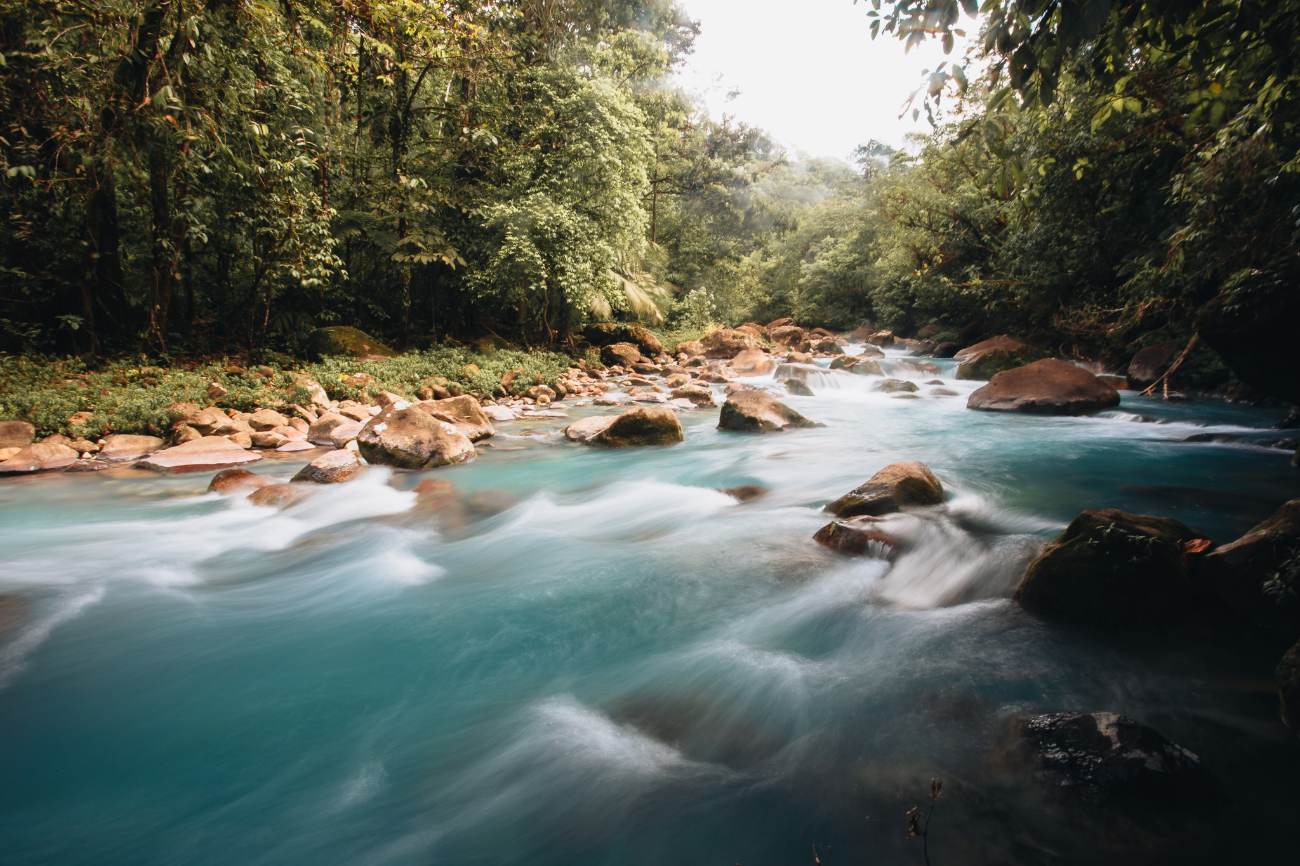
A turquoise river rushing over boulders through dense green forest
Nights 1 and 8

Hotel near San José

An arrival night with orientation and the welcome dinner, and a departure night with the final group dinner.

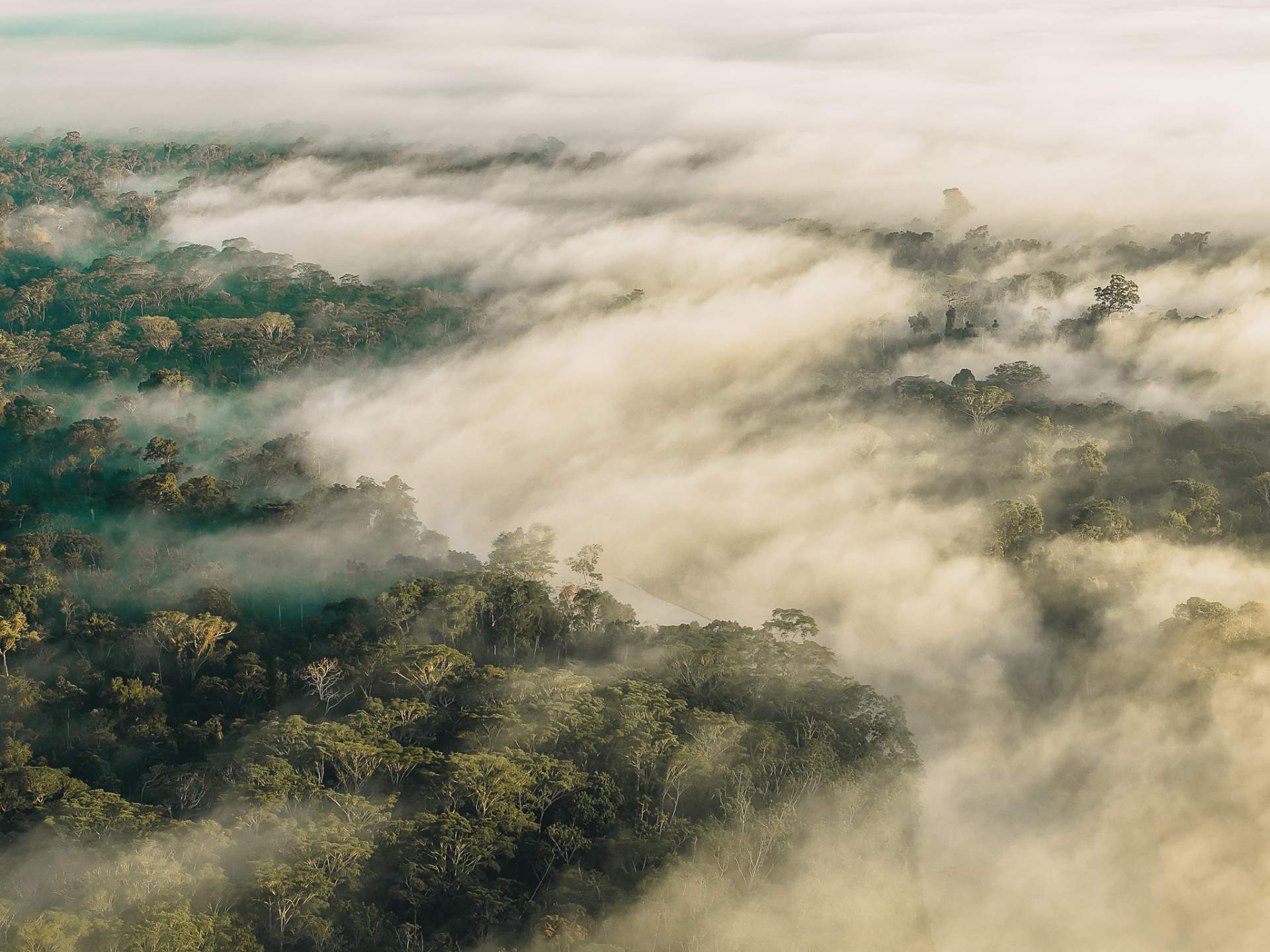
Aerial view of a sea of cloud lit gold over forest canopy
Nights 2 to 3

Hotel or Lodge, Santa Elena / Monteverde

Two nights at the edge of the cloud forest, a short drive from the reserve.

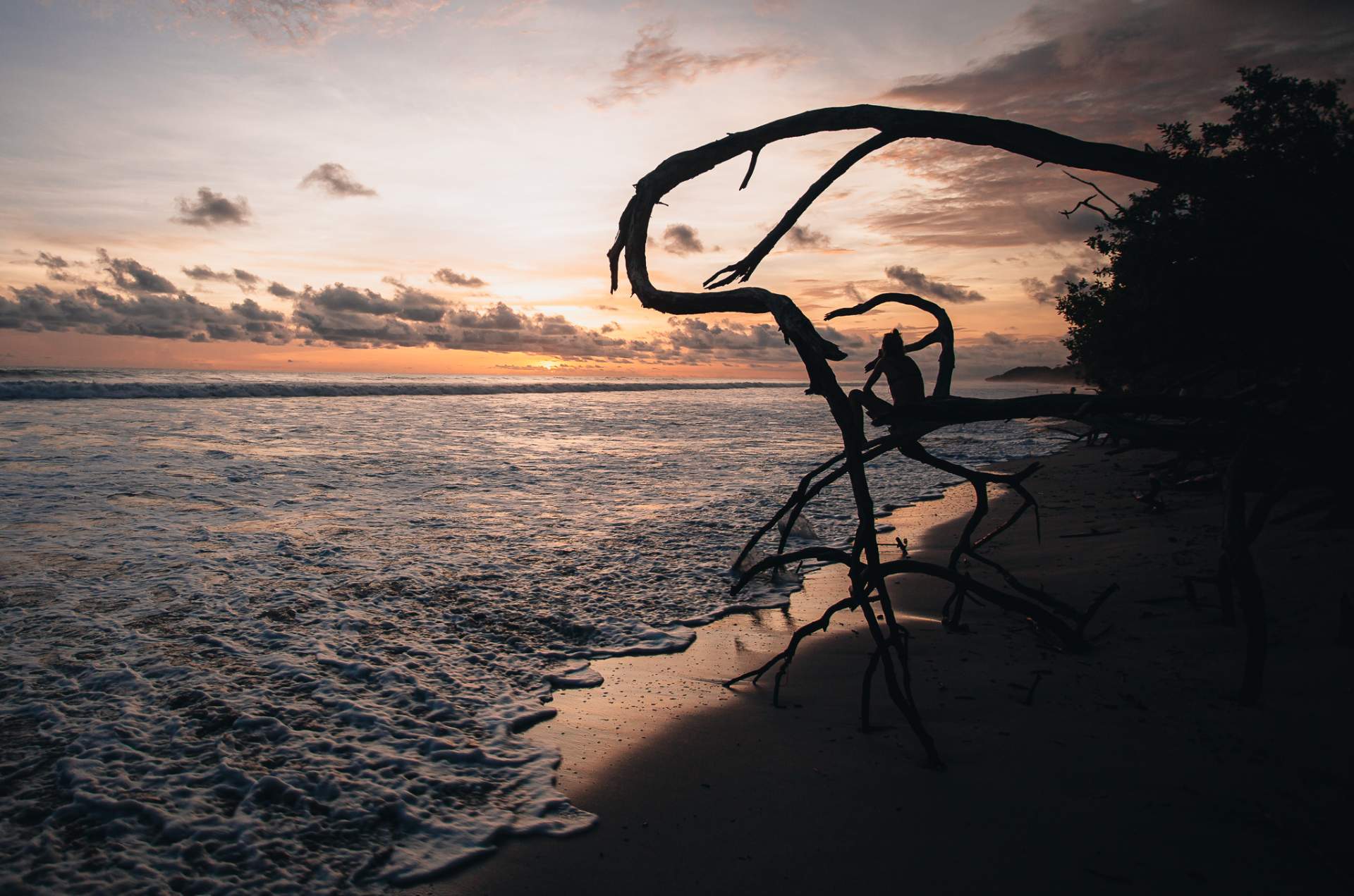
A silhouetted figure in a driftwood tree at the water's edge at dusk
Nights 4 to 7

Beachfront Hotel or Lodge, Playa Coyote

Four nights on the nesting coast, close to the CREMA patrol zone and the Bejuco community.

Included in the Program

Accommodations

  • 1 night hotel near San José (arrival)
  • 2 nights hotel or lodge, Santa Elena / Monteverde
  • 4 nights beachfront hotel or lodge, Playa Coyote
  • 1 night hotel near San José (departure)

Meals

  • All meals throughout the program
  • Welcome and farewell dinners

Transportation

  • International airfare
  • Airport transfers (arrival and departure)
  • All ground transportation in Costa Rica in private, licensed, insured vehicles

Activities and Guides

  • Professional bilingual Somos field educator throughout the program
  • Full day at Santa Elena Cloud Forest Reserve with guided natural history walk
  • Mangrove tour and community engagement in Bejuco
  • Sea turtle beach cleanup, educational programming, and night patrol with CREMA and Turtle Trax
  • Tide pool exploration
  • All community and reserve access fees; partner organizations compensated for their time and expertise

Educational Support

  • Daily structured reflection sessions
  • Pre-departure orientation materials

Safety and Logistics

  • 24/7 in-country supervision and emergency support from Somos Impact Travel
  • Comprehensive risk management protocols
  • Emergency communication systems
  • Access to medical facilities if needed

Not Included

  • Travel insurance (required)
  • Personal expenses and souvenirs
  • Gratuities for guides and drivers

Payment and Cancellation

Deposit$500 per traveler, non-refundable, honored for life toward any future program
90 days out50% of the program cost due
60 days outBalance due
More than 90 days outFull refund, excluding deposit
90 days or fewerNo refund

If Somos cancels due to low enrollment, travelers receive a full refund including the deposit. Force majeure events may be rescheduled or refunded in part or full at Somos's discretion, excluding the deposit. Cancellation notice must be sent in writing to team@somos.travel. Full terms: Terms and Conditions.

Next steps

Take the first step on your journey today.

This itinerary is drive-ready and adapts to your group's dates, academic calendar, and program focus within the June to December nesting season. Reach out to walk through group size, budget, and customization.

Start Planning Your Journey
Contact Shad Qudsi Somos Impact Travel shad@somos.travel WhatsApp +502 4681 4697