
In Central America, a region rich with indigenous traditions, complex colonial histories, and vibrant contemporary cultures, the way we engage as travelers can perpetuate harmful stereotypes or create meaningful connections that benefit everyone involved.
Building authentic cultural bridges is about approaching every interaction with respect, preparing yourself to engage thoughtfully, and understanding that true cultural exchange transforms both the traveler and the communities they visit.
Understanding Central America’s Cultural Complexity
Central America encompasses incredible cultural diversity that extends far beyond national borders. The region includes:
Indigenous Heritage: Over 60 distinct indigenous groups maintain their languages, traditions, and worldviews despite centuries of colonization. In Guatemala alone, 23 languages are spoken, with K’iche’, Kaqchikel, and Mam being among the most widespread.
Mestizo Culture: The blending of indigenous, European, and African influences has created unique regional identities that vary significantly between countries and regions within countries.
Afro-Caribbean Communities: Particularly along the Caribbean coasts of Guatemala, Belize, Honduras, Nicaragua, and Costa Rica, Garifuna and other Afro-descendant communities maintain distinct languages, music, and cultural practices.
Contemporary Urban Cultures: Cities throughout Central America are dynamic spaces where traditional and modern influences create constantly evolving cultural expressions.
Respectful travel begins with acknowledging this complexity rather than expecting a monolithic “Central American culture” that exists only in tourist brochures.
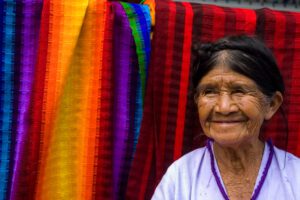
Language: Your Gateway to Connection
Start with Spanish Basics (But Don’t Stop There)
While Spanish serves as the common language across most of Central America, learning basic phrases demonstrates respect and opens doors to deeper connections.
Essential Phrases for Respectful Engagement
- “¿Puedo tomar una foto?” (May I take a photo?)
- “¿Cómo prefiere que le llame?” (How would you prefer I address you?)
- “Estoy aquí para aprender” (I’m here to learn)
- “¿Puede enseñarme?” (Can you teach me?)
- “Perdón por mi español limitado” (Sorry for my limited Spanish)
Language Learning Tips
- Download offline translation apps for remote areas
- Practice listening to Central American Spanish (different accents and expressions than Mexican or Spanish Spanish)
- Learn numbers, basic food names, and transportation terms
- Focus on polite forms (usted vs. tú)
Recognize Indigenous Languages
In many rural communities, Spanish is a second language. Showing awareness of indigenous languages demonstrates cultural sensitivity:
- Learn to say “hello” and “thank you” in local indigenous languages
- Ask guides or local partners about appropriate language use in specific communities
- Don’t assume everyone speaks Spanish fluently
- Be patient with communication and use visual aids when helpful
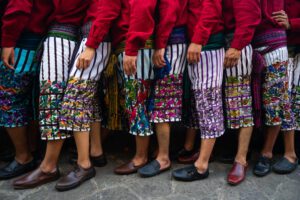
Navigating Social Customs and Traditions
Greetings and Personal Space
Central American cultures generally emphasize warm personal relationships, but specific customs vary:
Guatemala: Handshakes are common for first meetings; friends often embrace or kiss on the cheek. Indigenous communities may prefer more formal greetings.
Belize: British colonial influence means slightly more reserved greetings, though Caribbean regions are typically warmer and more physical.
Honduras & Nicaragua: Warm handshakes and embraces are common, with more formal address for elders and authority figures.
Costa Rica & Panama: “Pura vida” culture emphasizes relaxed, friendly interactions, though business contexts remain more formal.
Dress Codes and Cultural Sensitivity
What you wear communicates respect (or lack thereof) for local customs:
General Guidelines
- Cover shoulders and knees when visiting religious sites or traditional communities
- Avoid clothing with political slogans or controversial imagery
- Choose modest, practical clothing for service work
- Ask local partners about appropriate dress for specific activities
- Bright colors and patterns are often welcomed and appreciated
- Remove hats when entering sacred spaces or homes
- Ask before wearing or purchasing traditional textiles if unsure about cultural protocols
Religious and Spiritual Respect
Central America’s religious landscape includes Catholic traditions, evangelical Christianity, indigenous spiritual practices, and syncretic beliefs that blend multiple traditions.
- Ask permission before photographing religious ceremonies or objects
- Participate in community prayers or blessings when invited
- Learn about local religious holidays and how they might affect your visit
- Respect sacred sites and natural places considered spiritually significant
- Understand that for many communities, spirituality and daily life are inseparable

Food Culture: Sharing Meals, Building Relationships
Food serves as one of the most powerful tools for cultural connection in Central America. Sharing meals isn’t just about nutrition—it’s about building relationships and showing respect for local traditions.
Mealtime Etiquette
Accept Invitations Graciously: Being invited to share a meal is a significant honor.
Try Everything (Safely): Willingness to try local foods demonstrates respect and curiosity. Ask about ingredients if you have dietary restrictions, but approach unfamiliar foods with openness.
Contribute Appropriately: If staying with families, ask how you can contribute to meals—whether through purchasing ingredients, helping with preparation, or sharing dishes from your own culture.
Understand Food Significance: Corn, beans, and chili peppers are sacred foods with deep cultural and spiritual meaning for many indigenous communities.
Market Interactions
Local markets offer splendid opportunities for cultural exchange:
- Learn the names of local fruits and vegetables
- Ask vendors about preparation methods and traditional uses
- Bargain respectfully (where appropriate) without being aggressive
- Support small vendors rather than always choosing the cheapest options
- Ask permission before photographing vendors or their products
Gift-Giving and Economic Exchange
Thoughtful Gift-Giving
If you want to bring gifts, choose thoughtfully:
Appropriate Gifts:
- School supplies for educational programs
- Basic medical supplies (coordinated with local health clinics)
- Seeds or tools for agricultural projects
- Books or materials in Spanish or local languages
Avoid:
- Used clothing (unless specifically requested by partner organizations)
- Expensive electronics that create inequality
- Religious materials unless you understand local spiritual practices
- Candy or junk food for children
Economic Interactions
Every economic choice you make affects local communities:
Support Local Economy:
- Choose locally-owned accommodations and restaurants
- Purchase crafts directly from artisans when possible
- Hire local guides and transportation
- Tip appropriately according to local customs
Avoid Exploitative Practices:
- Don’t photograph people without permission or pay children for photos
- Avoid purchasing items that exploit natural resources or cultural heritage
- Research fair trade practices for coffee, chocolate, and textile purchases
- Support cooperatives and community-based businesses
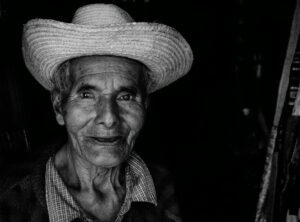
Technology and Photography Ethics
Photography Guidelines
Photography requires special sensitivity in Central America. Always ask permission for portraits of individuals, especially elders and children, before photographing religious or cultural ceremonies, and when entering private spaces like homes or workshops.
Understand Context:
- Some indigenous communities believe photographs capture spiritual essence
- Religious ceremonies may have restrictions on photography
- Markets and public spaces generally allow photography, but ask vendors before photographing their products
Share Respectfully:
- Avoid posting photos that reinforce stereotypes about poverty or “exotic” cultures
- Share images that show dignity, joy, and complexity of communities
- Consider sending copies of photos to people you’ve photographed
Environmental and Cultural Conservation
Respecting Natural Spaces
Many natural areas in Central America hold cultural and spiritual significance:
- Stay on designated trails in protected areas
- Ask local guides about cultural significance of natural sites
- Don’t remove plants, stones, or other natural objects without permission
- Understand that some areas may be considered sacred and off-limits
Supporting Cultural Preservation
- Purchase authentic crafts directly from artisans
- Learn about traditional techniques and their cultural significance
- Support community-based tourism initiatives
- Respect intellectual property around traditional designs and practices
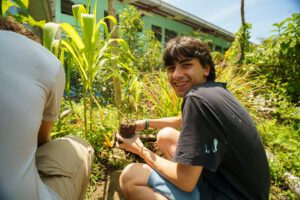
Building Bridges Before You Go
Preparation for respectful travel begins long before departure:
Educate Yourself:
- Read books by Central American authors
- Learn about colonial and contemporary history
- Understand current political and economic challenges
- Research specific communities you’ll visit
Connect with Organizations:
- Partner with established local nonprofits and community groups
- Avoid programs that can’t explain their local partnerships clearly
- Seek organizations that prioritize community input in program design
Set Realistic Expectations:
- You’re not going to solve complex problems in a short visit
- Your primary role is to learn and support existing community initiatives
- Cultural exchange benefits everyone involved when approached with humility
Your Role as a Cultural Bridge-Builder
Respectful travel to Central America requires ongoing commitment to learning, humility, and genuine relationship-building. You’re not just a tourist passing through, you’re a temporary member of global communities that extend far beyond national borders.
Cultural bridges aren’t built through perfect language skills or extensive cultural knowledge. They’re built through genuine effort to connect, willingness to make mistakes and learn from them, and recognition that every interaction shapes how communities experience the wider world.
When you approach Central America with respect, curiosity, and commitment to authentic relationship-building, you become part of a global movement toward more ethical and meaningful travel. Your individual choices contribute to a tourism industry that supports local communities while preserving the cultural richness that makes Central America such an extraordinary region.
Ready to experience Central America through authentic cultural exchange? Somos Impact Travel runs partnership-based learning expeditions across Guatemala, Belize, and Peru, connecting schools, corporate groups, Rotary clubs, and other donor groups with local NGO leaders. Visit somos.travel/experiences to explore programs or start planning your group’s expedition.