Learning how to fundraise for a school trip abroad is one of the most practical skills a student, parent, or teacher can develop before a program begins. Schools and families who approach fundraising strategically consistently close the gap between what a trip costs and what a family can afford.
This guide walks through how to do it, from the first conversation to the final donation acknowledgment.
Start early
The most common mistake in school trip fundraising is starting too late. A group that begins fundraising six to nine months before departure has time to run multiple campaigns and build momentum. A group that starts two or three months out is scrambling.
The moment a trip is confirmed, fundraising should begin. Even before individual costs are finalized, students and families can start.
Set a clear, specific goal
Every student should know how much they need to raise and how that number breaks down into airfare, program costs, spending money, etc. When donors can see where their contribution goes, they give more readily.
A visual progress tracker keeps students motivated and gives supporters a way to see the impact of their contribution in real time.
Tell the story of where you’re going and why
Specific, personal fundraising appeals work best. For a Somos program to Guatemala or Belize, students have compelling material to work with, including the organizations they’ll be partnering with, the communities they’ll be spending time in, and the specific work they’ll be contributing to.
A fundraising appeal that explains “I’m traveling to Rio Dulce, Guatemala to work alongside Casa Guatemala, a school that has been educating Indigenous Mayan children for nearly 50 years” will outperform one that says “I’m going on a service trip to Central America.” Donors respond to specificity. Give them details.
After the trip, send photos and a brief update to everyone who donated. This builds the goodwill that makes those donors more likely to give again next year.
The 5 most effective fundraising methods
Online crowdfunding: Platforms like GoFundMe and FundMyTravel make it easy to share a campaign widely and accept donations from anywhere. Set up the page early, update it regularly with new information about the trip and the organizations involved, and share it widely.
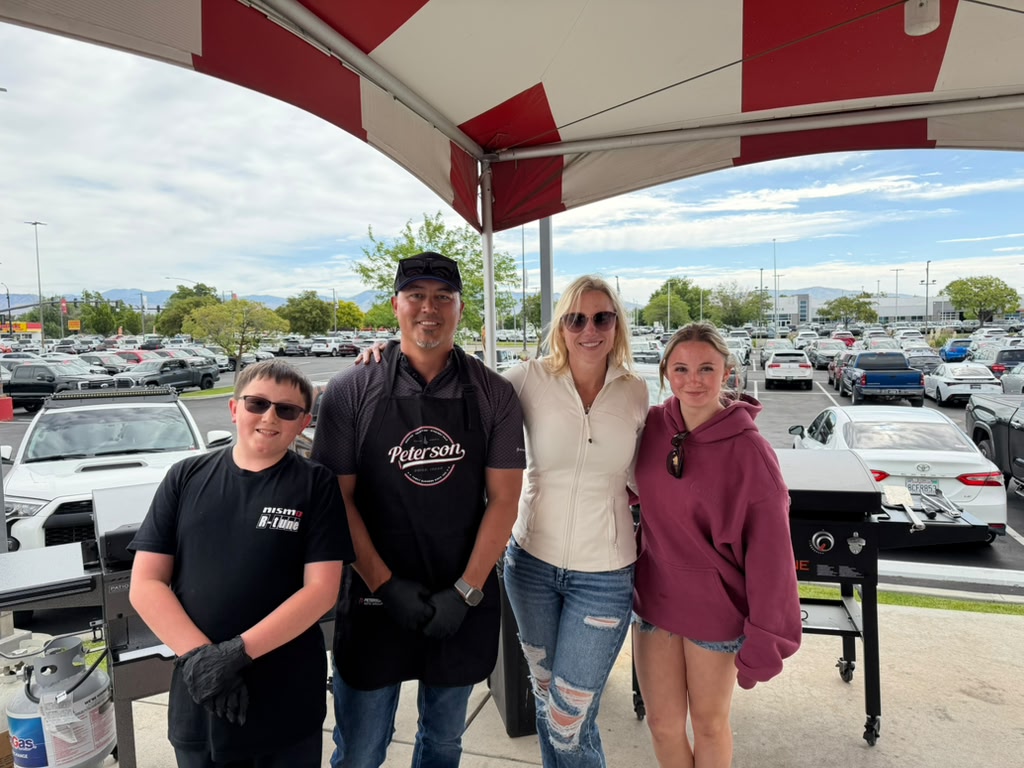
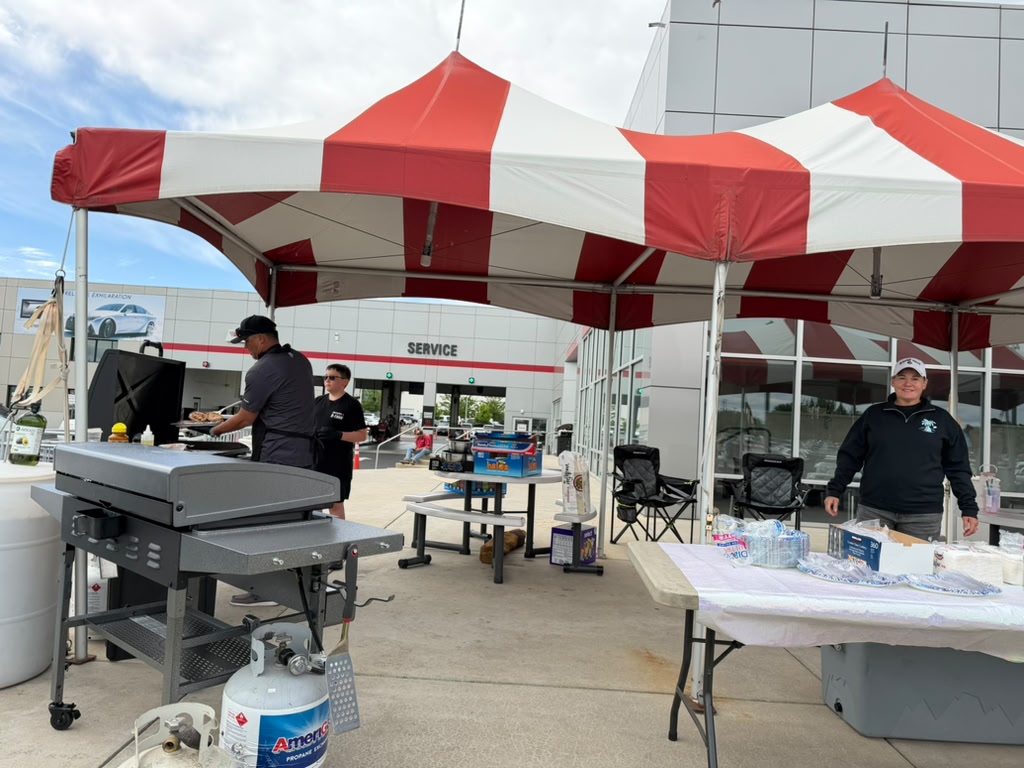
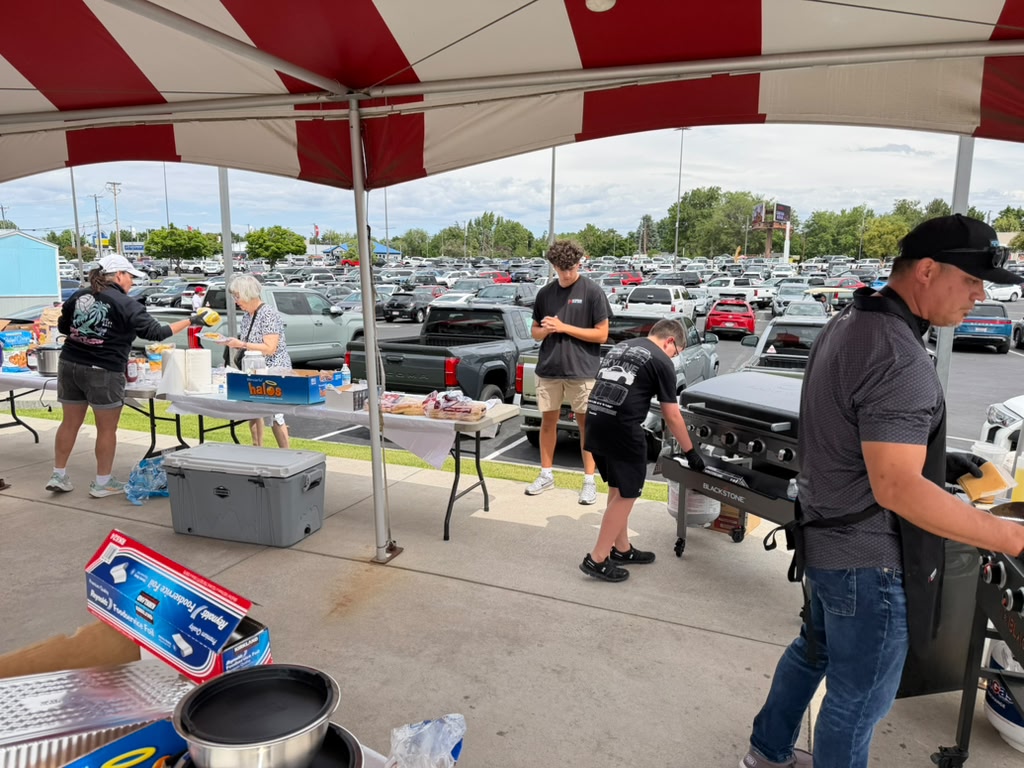
Community events: Bake sales, car washes, and pancake breakfasts can generate money and build enthusiasm for the trip. Display photos or information about the partner organizations, and give attendees a sense of where the money is going.
Local business sponsorships: Students who write letters to local businesses explaining the program, the partner organizations, and what the trip will involve often find more support than they expect.
Skills and services: Students can offer tutoring, lawn care, dog walking, house-sitting, or other services in their communities. This approach requires more time than a single event but produces consistent income and involves no upfront costs.
Gift alternatives: For holidays and birthdays in the months before the trip, students can ask family members to contribute to their trip fund rather than purchasing gifts.
Scholarships and institutional funding
Before any external fundraising begins, it’s worth exploring what funding is available through the school or program provider. Many independent schools have financial aid or scholarship funds that extend to international programs. Some Rotary clubs and community foundations offer travel scholarships for students with a service learning component.
When a student can’t fully fund the trip
Not every student will reach their fundraising goal, and programs that depend entirely on individual fundraising create inequitable access. Schools that build trip costs into financial aid calculations, or that set aside a small hardship fund for students who fall short, produce more diverse and more cohesive groups.
For students who are genuinely short on funds after exhausting fundraising options, a direct conversation with the school or program provider is worth having. Operators who are serious about the educational mission of their programs tend to find ways to keep students who are committed from being left behind for financial reasons.
The fundraising process is part of the education
Students who raise money for their own trips engage differently than students whose families paid in full. The effort creates investment. Conversations with donors about where they’re going and who they’ll be working with are themselves a form of pre-trip preparation.
Somos Impact Travel runs programs in Guatemala and Belize in partnership with grassroots NGOs and community organizations, connecting schools, corporate groups, Rotary clubs, and other donor groups with local leaders. Visit somos.travel/experiences to explore programs or start planning your group’s expedition.