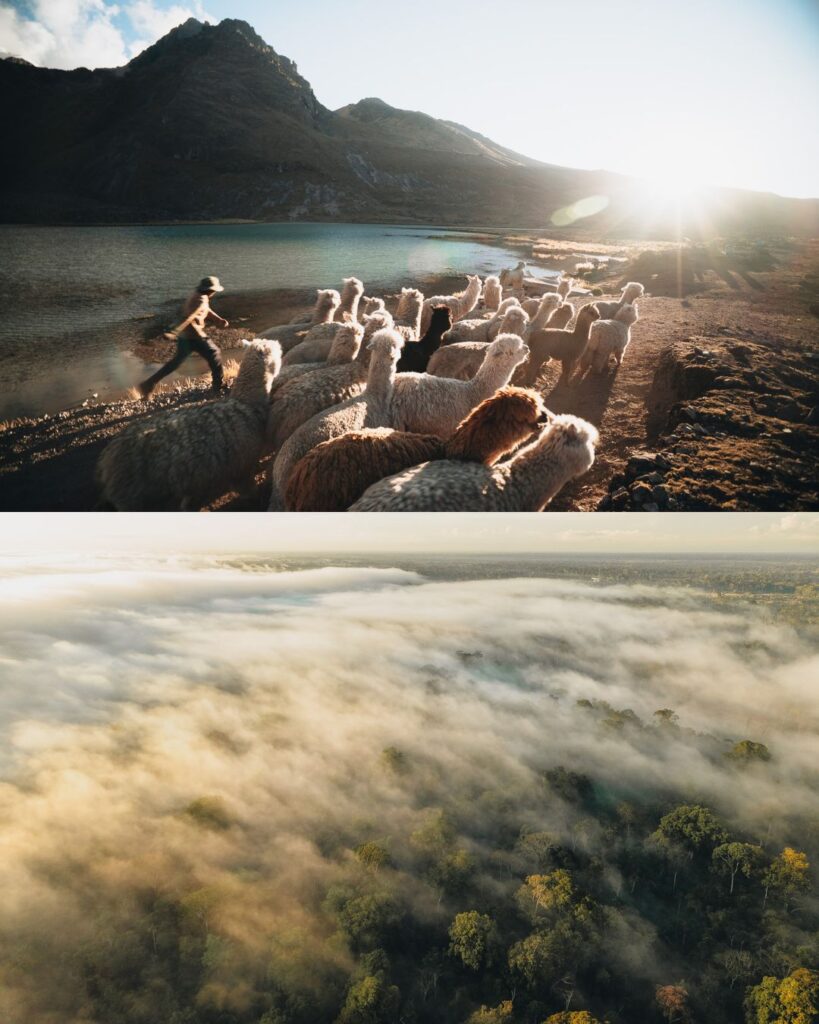
Spiritual travel in Peru draws seekers from around the world. Runa Ñan Travel offers a deeper connection to the Andean way of life.
Runa Ñan Travel, founded in 2013 by Valerio Sasari and his partner, is rooted in the living traditions of the Andean highlands, the Quechua language, the agricultural rhythms in this region for centuries, and the conviction that healing and learning are the same thing.
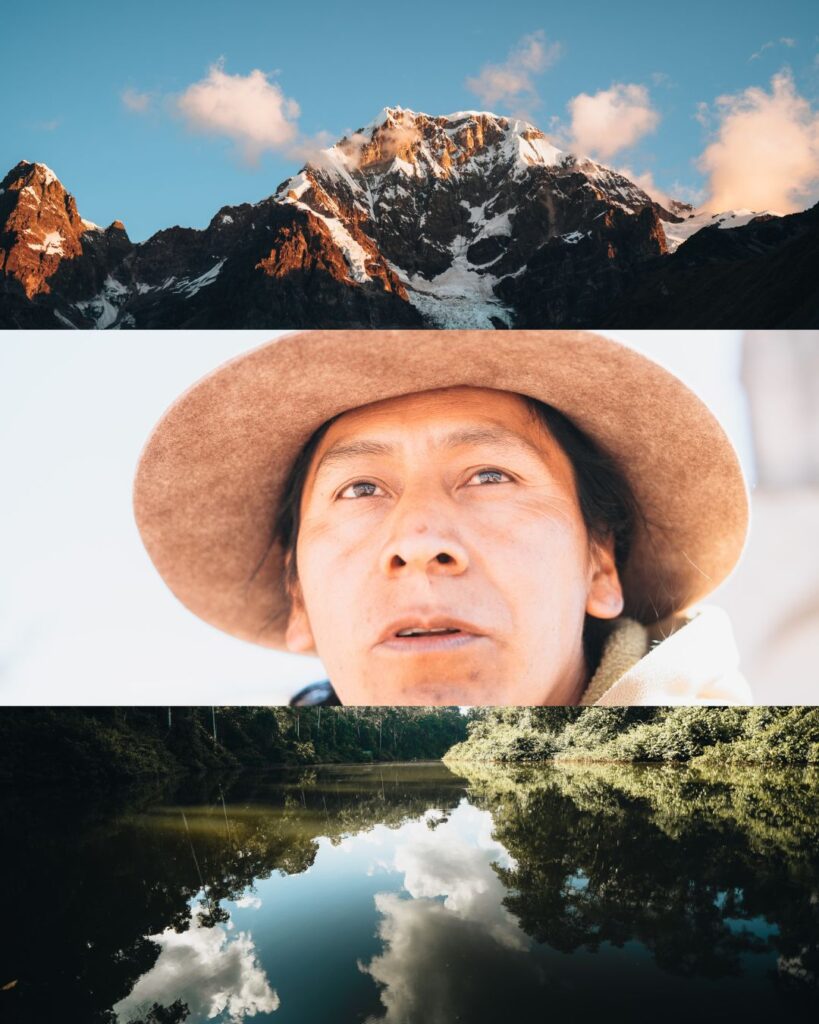
Valerio is a farmer, a beekeeper, a distiller of essential oils, and a spiritual guide. He has been keeping bees for 28 years, harvesting honey, propolis, and pollen. He has been distilling essential oils for eight years. You cannot teach the Cosmovisión Andina, Valerio says, without being a person of the land.
What Runa Ñan does
Runa Ñan specializes in spiritual tourism in Cusco, Peru and throughout the highlands, centered on the sacred sites of the region and the living traditions of Quechua communities. The name translates to “path of the human being” in Quechua. Groups visit ceremonial centers and mountains, participate in coca leaf ceremonies, learn about the Apus (the spirits of the mountains), and engage with Pachamama, the Andean concept of Mother Earth. She is a living presence that governs the agricultural and spiritual calendar of Quechua communities.
Programs are customized according to the intentions, composition, and needs of the group. Groups of yoga and meditation practitioners are the primary audience for Runa Ñan’s programs. Group sizes typically run between 15 and 30 participants.
Cosmovisión Andina
In the Quechua worldview, Valerio explains, the Western concept of religion does not exist. Instead, the key is a direct, practical, embodied relationship with the natural world.
The sun is honored through dance at the solstices. Pachamama is revered as the source of all sustenance. The mountain spirits are not abstract deities but presences that can be communicated with. They respond to ceremony and respect and hold protective relationships with specific communities and lineages.
Everything that can be seen, touched, and felt is sacred. This is the starting point of Andean cosmology.
Education in this tradition happens through observation and lived practice, the same way children learn in Quechua communities, accompanying adults in river cleanings, participating in agricultural work, learning through doing.
Community impact: Sembrando Vidas
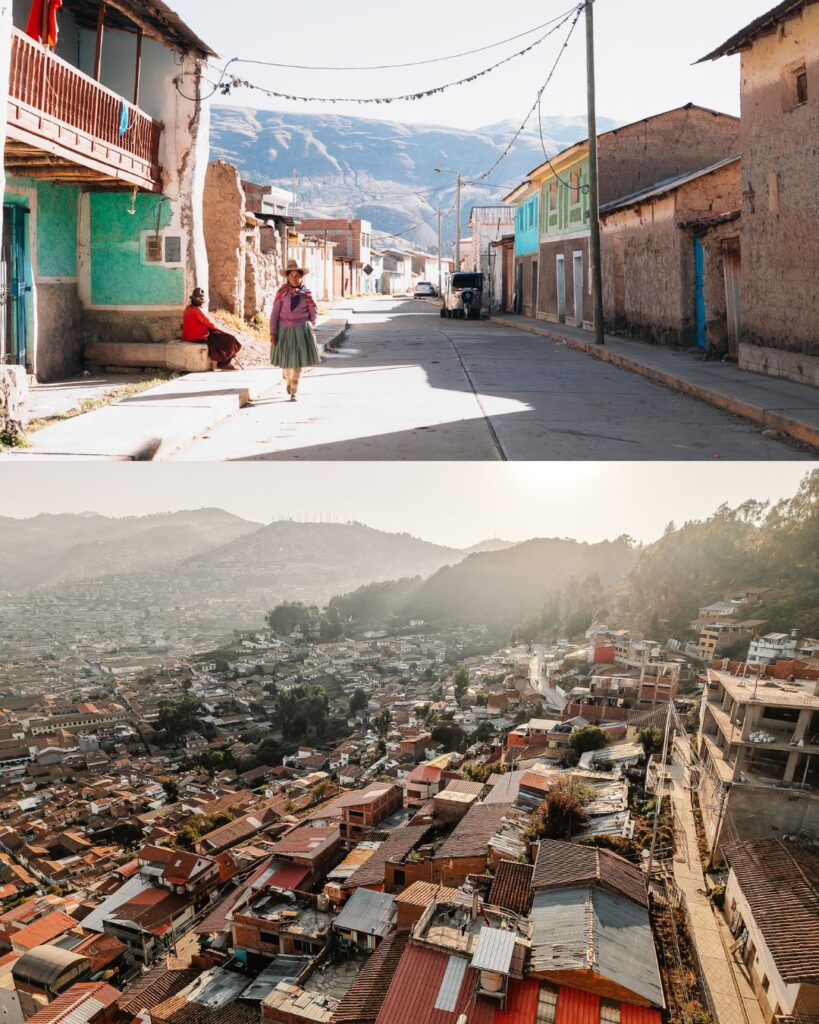
As an expression of gratitude for the work Runa Ñan does with visitors from around the world, Valerio organizes community projects throughout the year: temazcal ceremonies with children and elders, river clean-ups, and tree planting. These are part of the ethic that shapes every program Runa Ñan runs.
The most significant initiative is Sembrando Vidas (“Sowing Lives”), a project Valerio has launched with a 5 to 10-year horizon to plant between 20,000 and 30,000 native trees in his home community.
The goal is to restore forest cover, maintain soil moisture, and protect the ecosystem that sustains the community’s agricultural life. Trees are part of the web of relationships that the Cosmovisión Andina describes as sacred.
What visiting groups experience
When a Somos group travels with Runa Ñan, the program is built around real work alongside people in local communities.
Earlier this year, Valerio coordinated with Somos to organize a volunteer project painting a community hall that had been abandoned. He managed all logistics: transport, food, accommodation, and the hiring of two local specialists. The day included a visit to thermal baths and a traditional meal of cuy.
Valerio’s approach to visiting groups reflects the same philosophy that shapes everything else he does: people learn by participating, rather than by merely observing. The groups that respond most deeply are those who arrive willing to be changed by what they encounter.
Somos Impact Travel runs programs in Peru in partnership with Runa Ñan Travel and other community organizations, connecting schools, corporate groups, Rotary clubs, and other donor groups with local leaders. Visit somos.travel/experiences to explore programs or start planning your group’s expedition.