
Ancestral Wisdom Meets Modern Science: The Reforestation Revolution in Guatemala
How Wellkind Guatemala and Somos Impact Travel are redefining service travel through indigenous partnership and rigorous M&E.
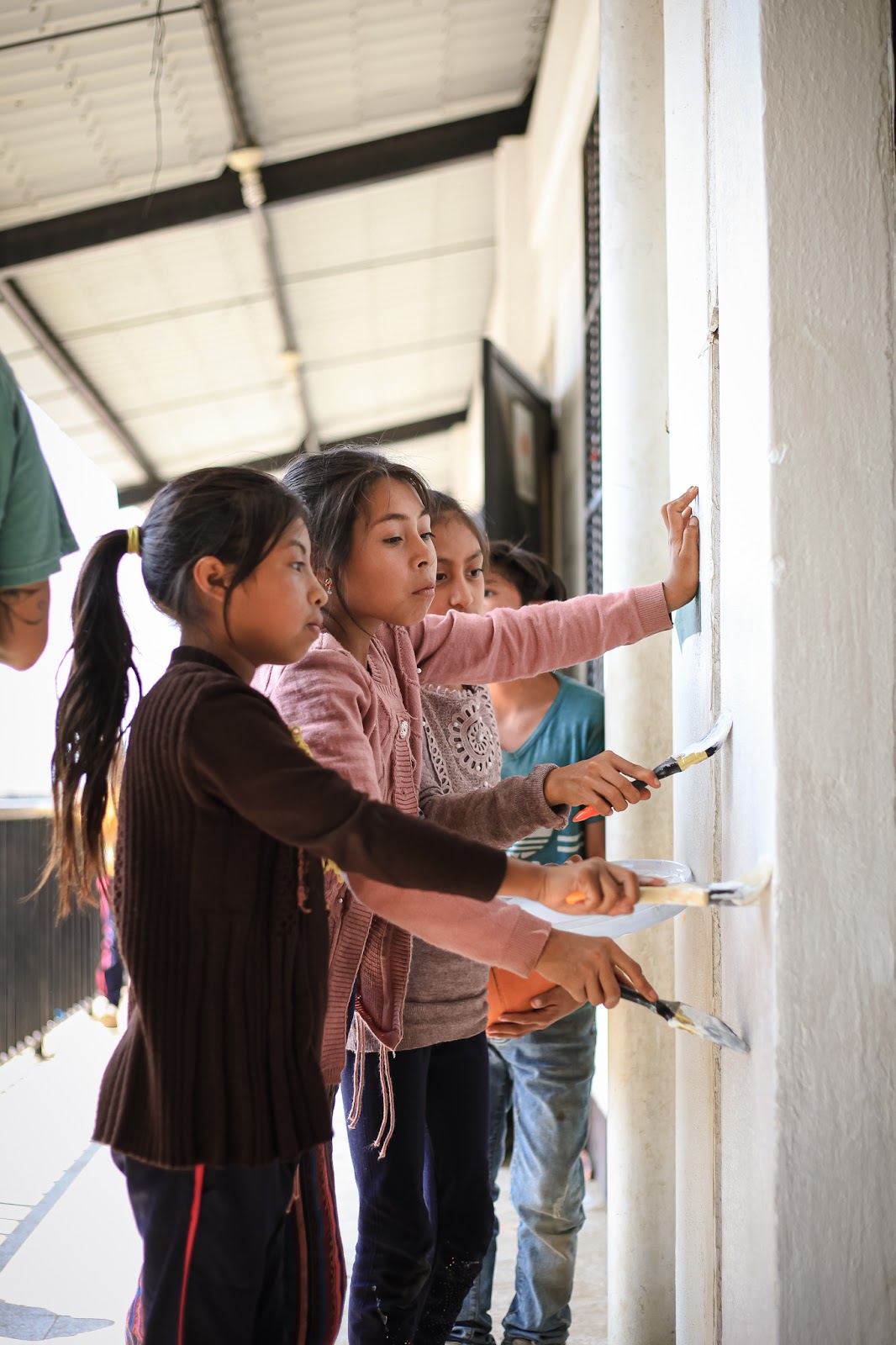
In the mist-covered highlands of Guatemala, a quiet revolution is taking root. It isn't led by heavy machinery or foreign mandates, but by the calloused hands of indigenous Maya leaders and a sophisticated blend of ancestral land-use practices and modern ecological science. At the center of this movement is Wellkind Guatemala, the primary impact partner for Somos Impact Travel.
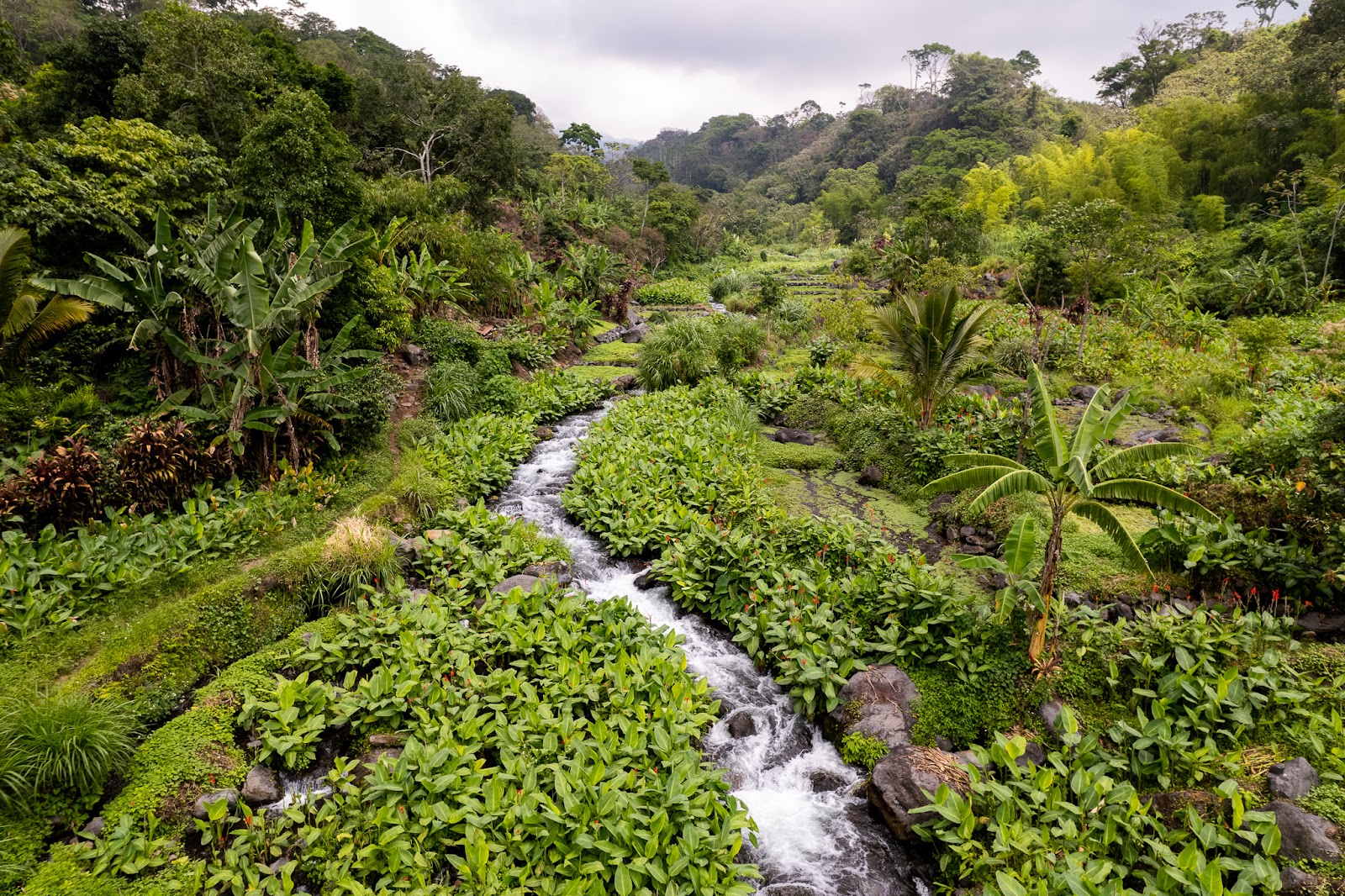
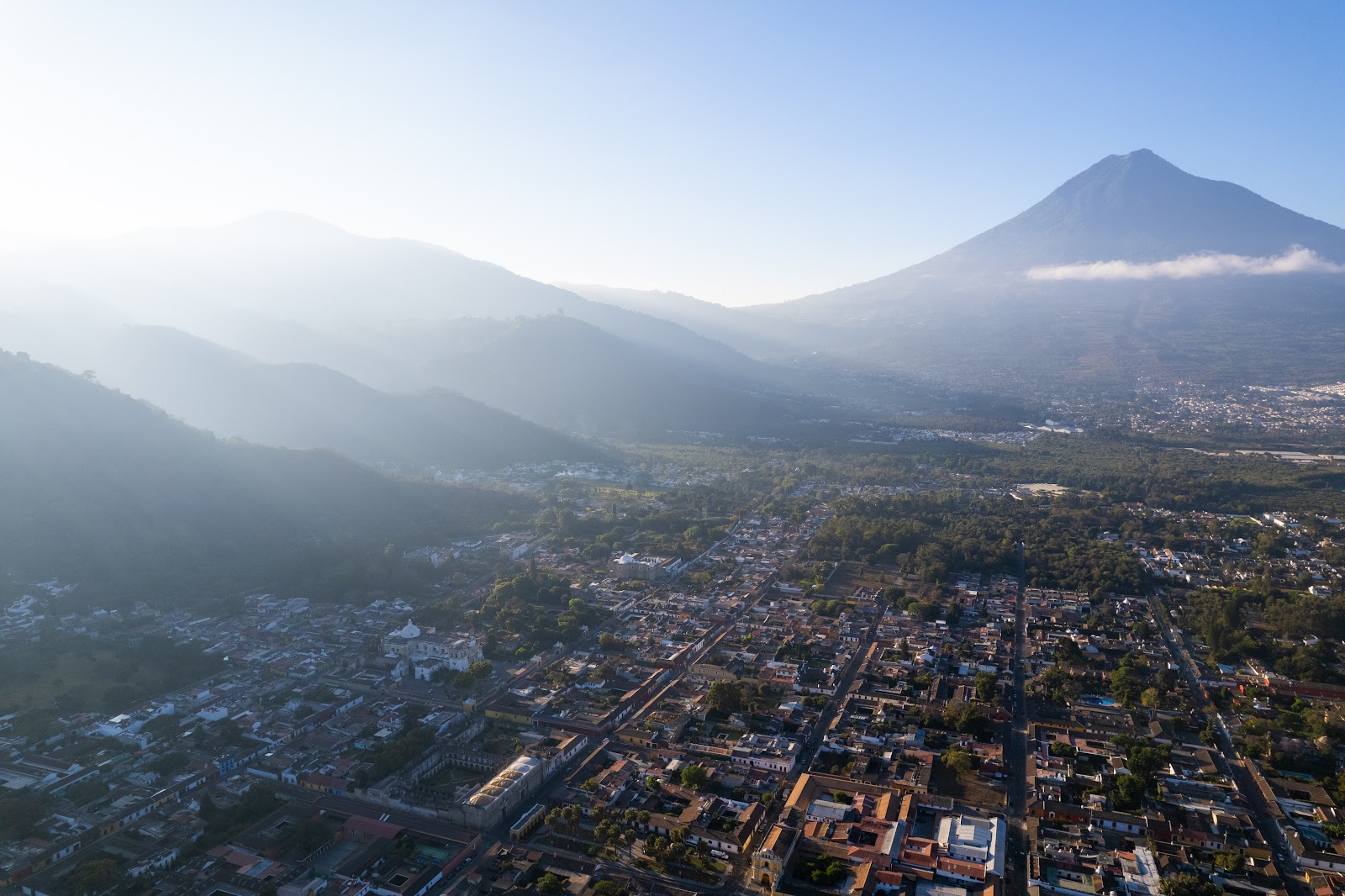
For those seeking impact travel in Latin America, the partnership between these two organizations represents the gold standard of service learning. This is not "voluntourism." It is a multi-year, science-backed commitment to restoring one of the world's most critical watersheds: Lake Atitlán.
50,000 Trees: The Science of Survival
Wellkind Guatemala is achieving what many international NGOs struggle to do: scale. By planting over 50,000 native trees annually, they are actively reversing the effects of deforestation. However, the true magic lies in their methodology. Wellkind utilizes a rigorous Monitoring and Evaluation (M&E) framework that blends technical data collection with traditional Maya ecological knowledge.
This "Science and Art" approach ensures that trees don't just get planted—they survive. By studying the soil through the lens of indigenous land use, Wellkind identifies which species will thrive in specific micro-climates. This data-driven approach allows impact travelers and student groups to participate in projects where their labor contributes to a larger, verified dataset of environmental restoration.
A Classroom Without Walls
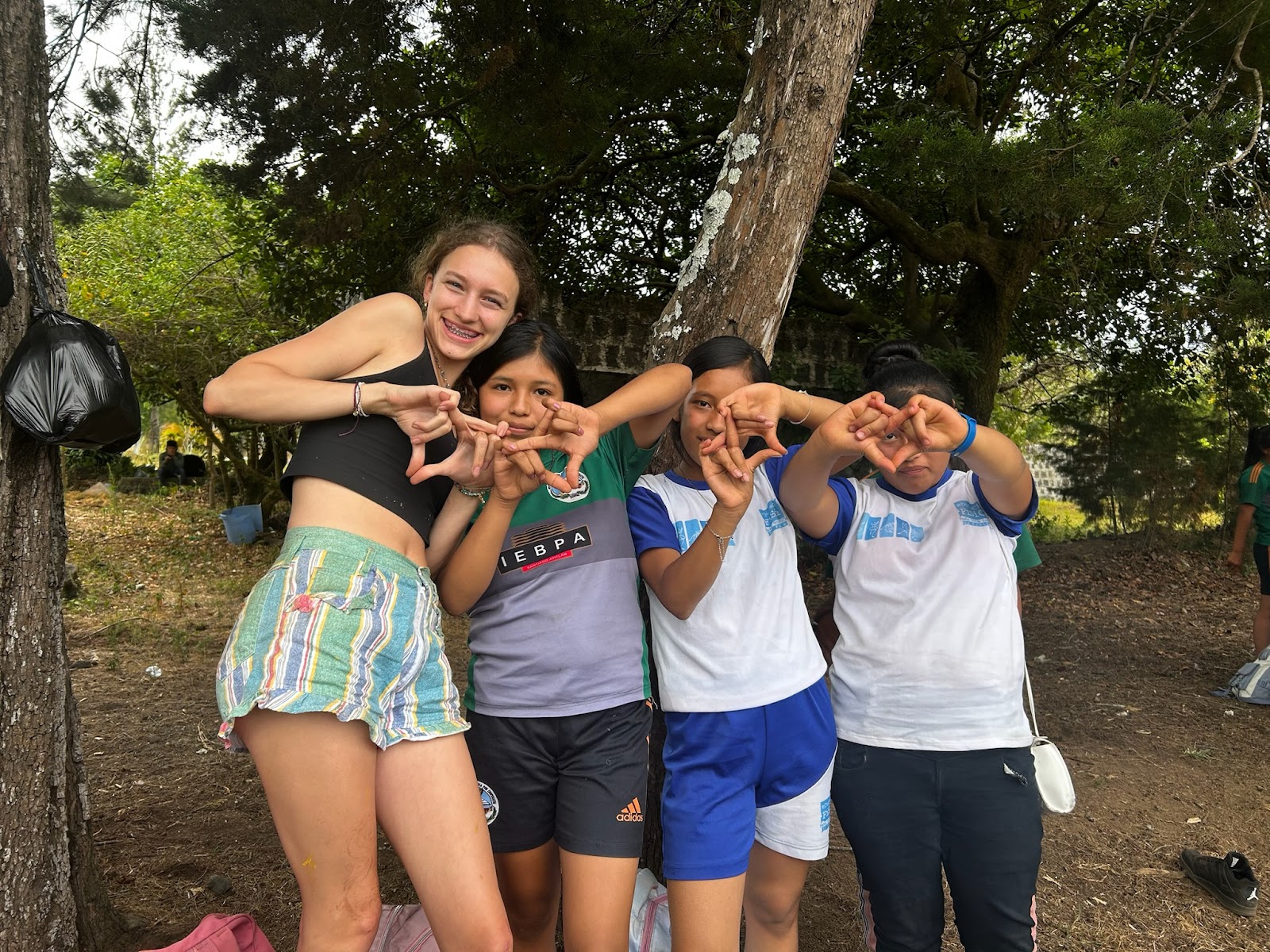
For student travel in Guatemala, the Somos-Wellkind partnership offers a "classroom without walls." Participants are invited to go beyond the surface of a beautiful landscape and engage with the complex realities of climate change and community resilience.
When you join a Somos program, you aren't just visiting Guatemala; you are entering a long-term partnership. You might spend the morning potting native seedlings in a community nursery and the afternoon discussing food sovereignty with Maya farmers. This is the essence of service travel: moving from being a spectator to a witness, and finally, to a participant in a story of regeneration.

