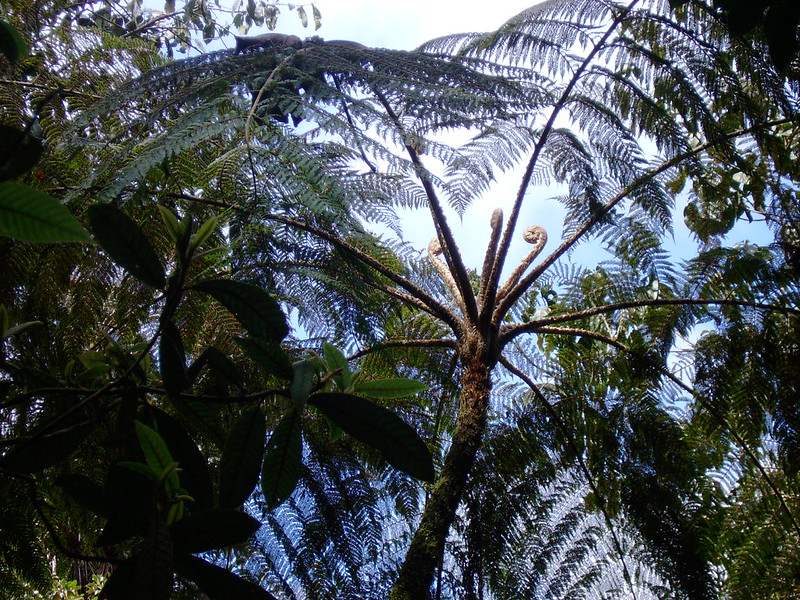
About an hour from Rabinal, the road climbs into the Sierra de las Minas and the air changes. Fog moves through the trees in the Biotopo Universitario Mario Dary Rivera para la Conservación del Quetzal. Known to most visitors as the Biotopo del Quetzal, it is one of the country’s best-known cloud forest Guatemala reserves, in the municipality of Purulhá, Baja Verapaz.
A Reserve Built to Protect One Bird
The reserve exists thanks to a specific person and a specific animal.
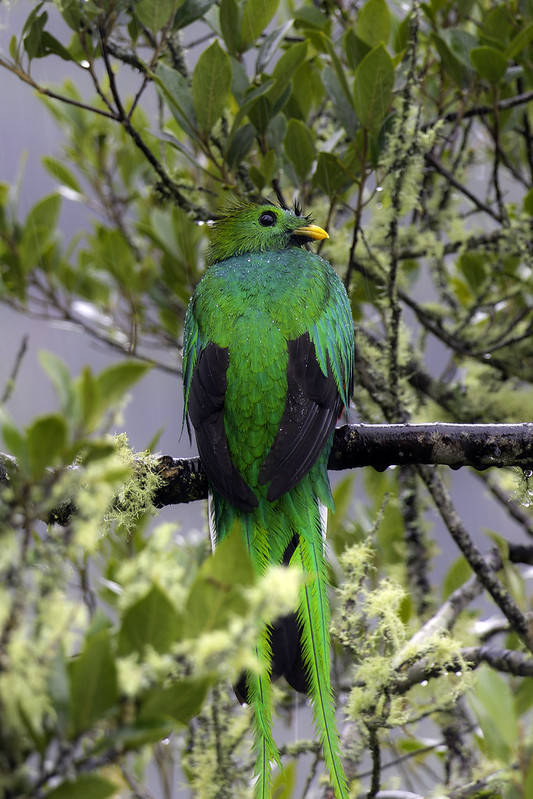
Guatemalan biologist Mario Dary Rivera spent his career pushing for the protection of the resplendent quetzal and its cloud forest habitat. In 1976, the Municipality of Salamá donated land to the Universidad de San Carlos de Guatemala, and the reserve was formally established under the university’s Centro de Estudios Conservacionistas, the body that still manages it today. It started at 765 hectares and has since grown to roughly 1,175.
The quetzal is Guatemala’s national bird, and the reserve is one of the country’s most reliable places to see one. Quetzals nest here between February and May, and sightings are most likely early in the morning or late in the afternoon, when the birds move through the mid canopy rather than staying hidden above it. The reserve has recorded 87 bird species, but the quetzal is the reason most people come and the reason the reserve exists.
What Cloud Forest Guatemala Ecosystems Look Like
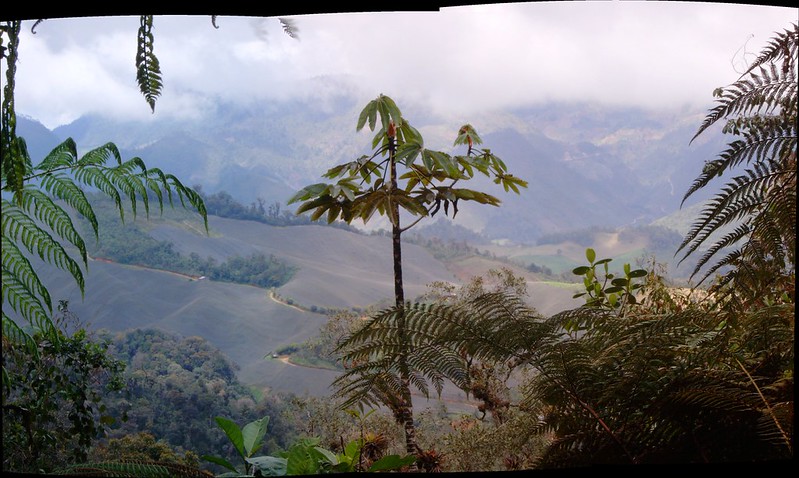
Bosque nuboso, cloud forest, is a specific ecosystem that forms at an elevation of roughly 1,500 to 3,000 meters where clouds sit low enough that the forest intercepts moisture directly from them. That constant moisture enables 50+ tree species to support a dense understory of ferns, mosses, and bromeliads growing directly on trunks and branches. Streams cut through the reserve and drop into small waterfalls and clear pools, fed by the same fog-driven moisture cycle that keeps the canopy wet year-round.
The reserve has documented 58 animal species beyond its bird list, including squirrels, rabbits, foxes, monkeys, and snakes. Cloud forest wildlife tends toward camouflage, and an experienced guide knows where to look and when.
The Two Trails Through the Forest
Visitors move through the reserve on one of two marked trails. Los Helechos, the fern trail, runs a short loop of under two kilometers and takes about 45 minutes. Los Musgos, the moss trail, is longer, 3.6 kilometers, and takes roughly three hours round trip, climbing further into the reserve’s interior before looping back. Both trails are maintained with signage identifying tree species and forest features. The terrain is steady incline rather than technical climbing.
The reserve sits on the highway corridor connecting Guatemala City to Cobán. The Biotopo functions as one anchor point in a chain of forest that borders farmland.
Where the Reserve Fits Into a Rabinal Itinerary
For a group spending the week in Rabinal, the Biotopo offers a shift in register. The days in Rabinal center on agroecology, food systems, and the region’s own account of its history at the heritage museum. The Biotopo is not about any of that directly, but it sits on the same land question from a different angle: what it takes to keep a specific place, in this case a forest and the bird that depends on it, intact over decades rather than protected for a single season.
The reserve borders farmland much like what a visiting group has already walked through in Rabinal, which makes the drive here less a detour than a continuation of the same week’s questions, asked of a forest instead of a farm.
Somos groups traveling through Baja Verapaz typically build in a guided morning or afternoon at the Biotopo, timed for the better quetzal-viewing hours, before returning to Rabinal or continuing on toward Antigua. Entrance is inexpensive and the reserve is open daily from 7 a.m. to 4 p.m., which gives an itinerary some flexibility on timing without much logistical cost.
Anyone interested in adding the Biotopo del Quetzal to a Rabinal itinerary can reserve a spot on the January 2027 Voces y Manos trip, which already builds in a stop at the reserve, or reach out to the Somos team about future dates.