
Learning how to get parent buy-in for international school trips matters as much as building the itinerary. You can design a strong program, but families have to sign on for the trip to happen.
Most parents want their kids to see the world, but they need clear information to feel confident saying yes. Here’s how to give it to them, based on what we hear from the teachers and families we’ve worked with.
Start With the Learning
Parents say yes to an experience that connects to what their child is learning. Before you talk logistics, explain what students will study, who they will learn from and how it ties to your class.
Be specific. “Students will spend a day with a Kaqchikel Maya farming community studying milpa agriculture, then compare it to conventional farming in their ecology unit” lands better than “a cultural experience in Guatemala.” If your trip is curriculum aligned, say so and show how.
Explain what this place offers, such as the people your students will learn from, the ecosystems they’ll study, and the language they’ll practice. When the destination is integrated into the curriculum, the choice makes sense.
The Four Questions Every Parent Asks
No matter the destination, parents come back to these four questions:
- Is it safe?
- What will my child do each day?
- What does it cost, and what’s included?
- Who is responsible for my child?
Plan your first email, your info night and your handouts around these questions.
Lead With Safety Specifics
Safety is the main concern, especially for destinations parents only know from the news.
Share how your travel partner reviews travel advisories before each departure and vets all providers. Mention the staff-to-student ratio and what happens if a student gets sick. On Somos trips, for example, groups have at least one certified staff member for every eight students, and Somos headquarters contacts a student’s parents right away of any incident involving their child.
It also helps to show parents the place in context. A country-level travel advisory can sound alarming, while the full advisory often names specific regions that are nowhere near your itinerary. Our Safety page and School Trip Safety in Guatemala walk through how we handle this.
Finally, offer the documentation. Many parents, and most risk committees, want to see the risk management protocol, insurance certificates and emergency plans for themselves. A partner who shares these openly earns trust fast.
Show Them a Day on the Ground
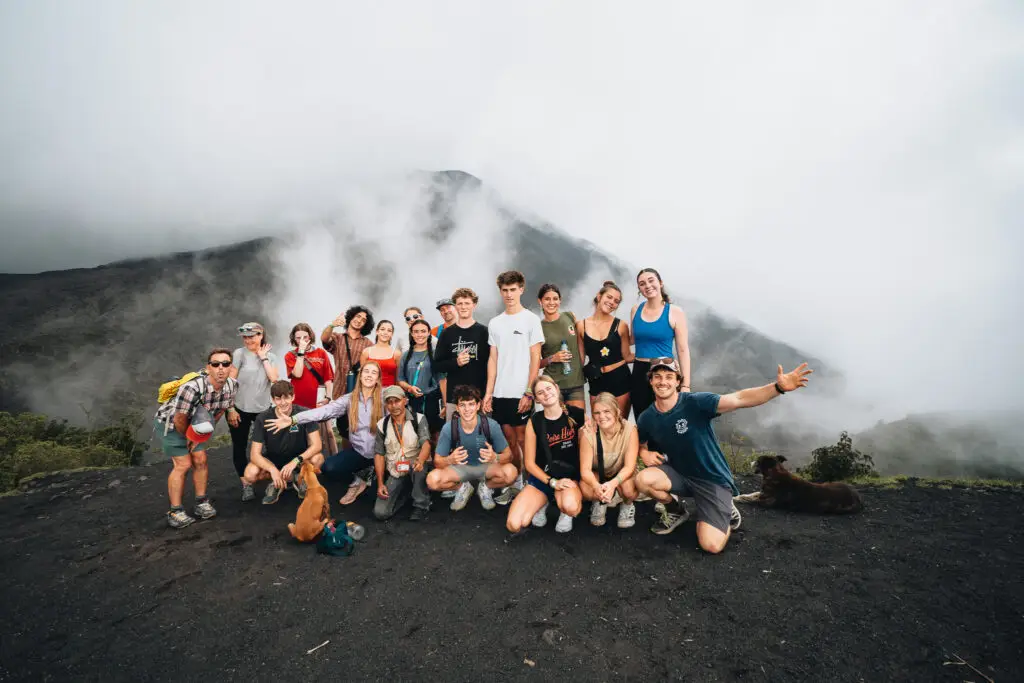
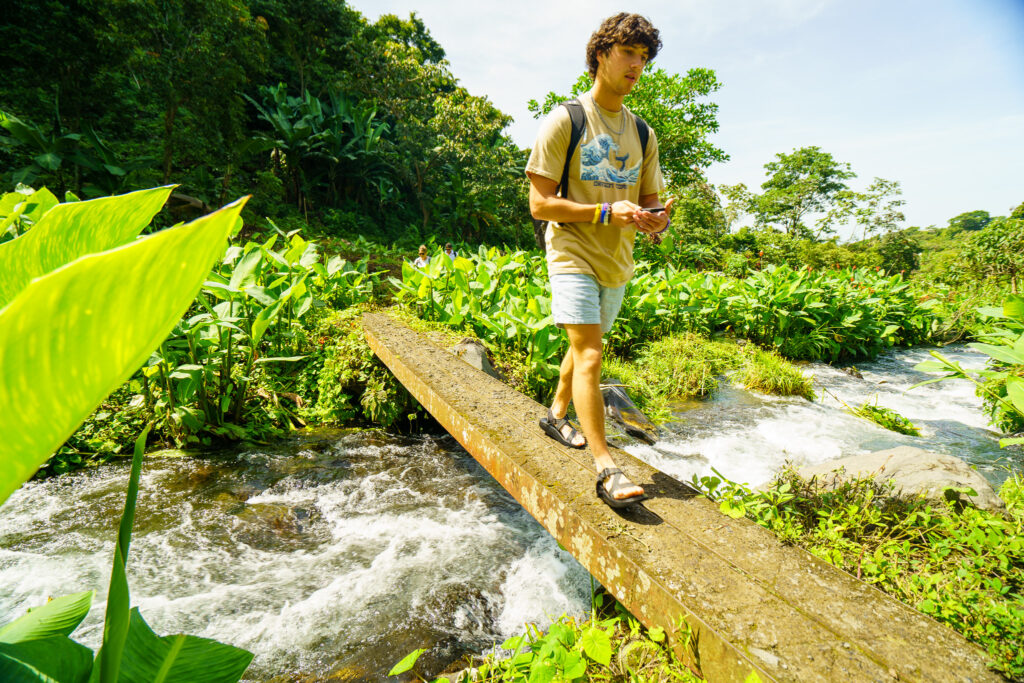
Share a sample itinerary that shows a real day: where students wake up, what they do in the morning, who they meet, and where they stay.
Photos and short videos from past groups help, especially of students working alongside local partners. If your trip includes homestays, explain how families are chosen and what students can expect.
Be Upfront About Cost
Cost surprises lose families. Share the full price early, list what’s included (flights, lodging, meals, ground transport, guides, insurance requirements) and name anything that isn’t.
Then give families a path. Payment plans, early deadlines with small deposits and group fundraising all make the number manageable. Announcing the trip 9 to 12 months out gives families time to plan.
Introduce the People
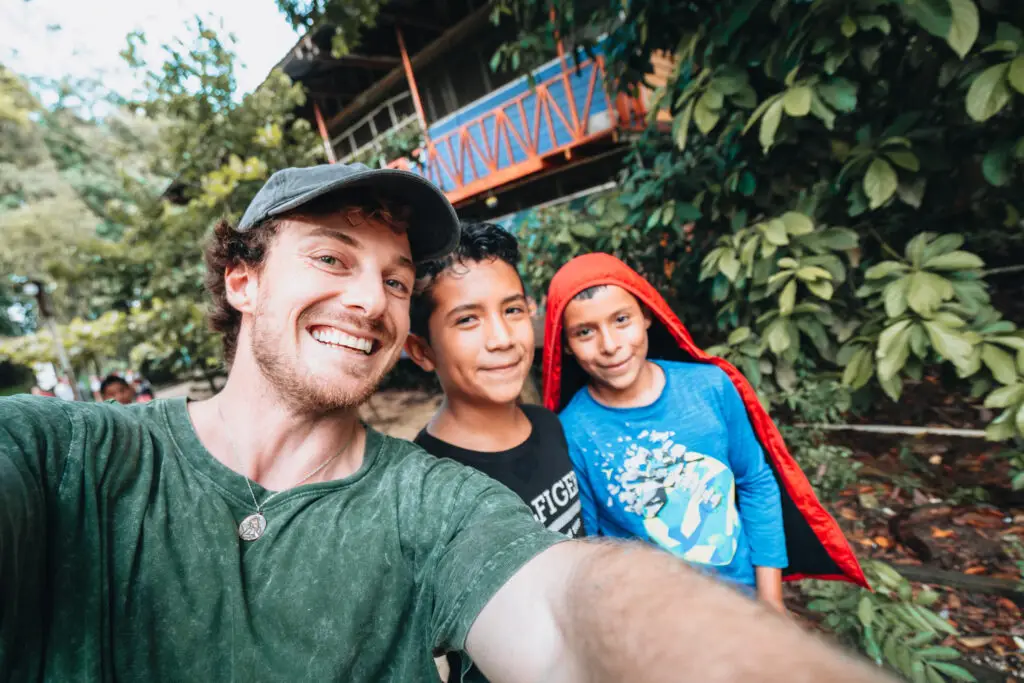
Parents want to know exactly who will be with their child. Introduce your school chaperones by name, as well as your travel partner’s team.
On a Somos trip, that means the Field Educator: a bilingual guide with first aid and CPR certification and experience in that country, who leads the group every day. When parents can put a face and a name to the person in charge, the trip starts to feel real.
Host a Parent Info Night
A parent info night is where buy-in happens. Hold it in person if you can, with a video option for working parents, and invite your travel partner to join. A simple agenda:
- Why this trip: the learning goals and how they connect to class
- The itinerary, day by day, with photos
- Safety: staffing, transportation, insurance and emergency plans
- Cost, what’s included and payment options
- Communication: how and when families will hear from the group
- Open Q&A
Send a one-page summary afterward with the key dates, cost and a contact for questions.
Agree on a Communication Plan
Many parents worry less about something going wrong than about not knowing what’s happening. Explain to them how communication will work.
Will there be a parent group chat? Who calls families if something comes up? Somos covers this in a pre-departure briefing at the school 10 to 14 days before the trip, with time for families to ask questions.
Planning a Trip for Next Summer or Fall?
If you’re pitching a trip to families for next year, we can help you prepare. We share our full risk management documentation, join parent info nights by video and build itineraries around your curriculum.
Text us at (609) 365-0546 or email team@somos.travel to discuss the possibilities for your group.