There is a stretch of Guatemala that most people never see.
Rio Dulce, in the humid lowlands of eastern Guatemala, far from the volcanoes and colonial cobblestones that draw most visitors, is a region that is often overlooked by government services and international attention and thus an ideal spot for service learning in Guatemala. The families who live in the surrounding Indigenous Q’eqchi’ Mayan communities have historically had few options for schooling their children. Public infrastructure is sparse. Government investment is thin. For decades, the needs of this corner of the country have gone largely unmet.
Service learning Guatemala is a unique experience that allows volunteers to immerse themselves in the local culture while making a positive impact.
Into that gap, nearly 50 years ago, stepped Casa Guatemala.
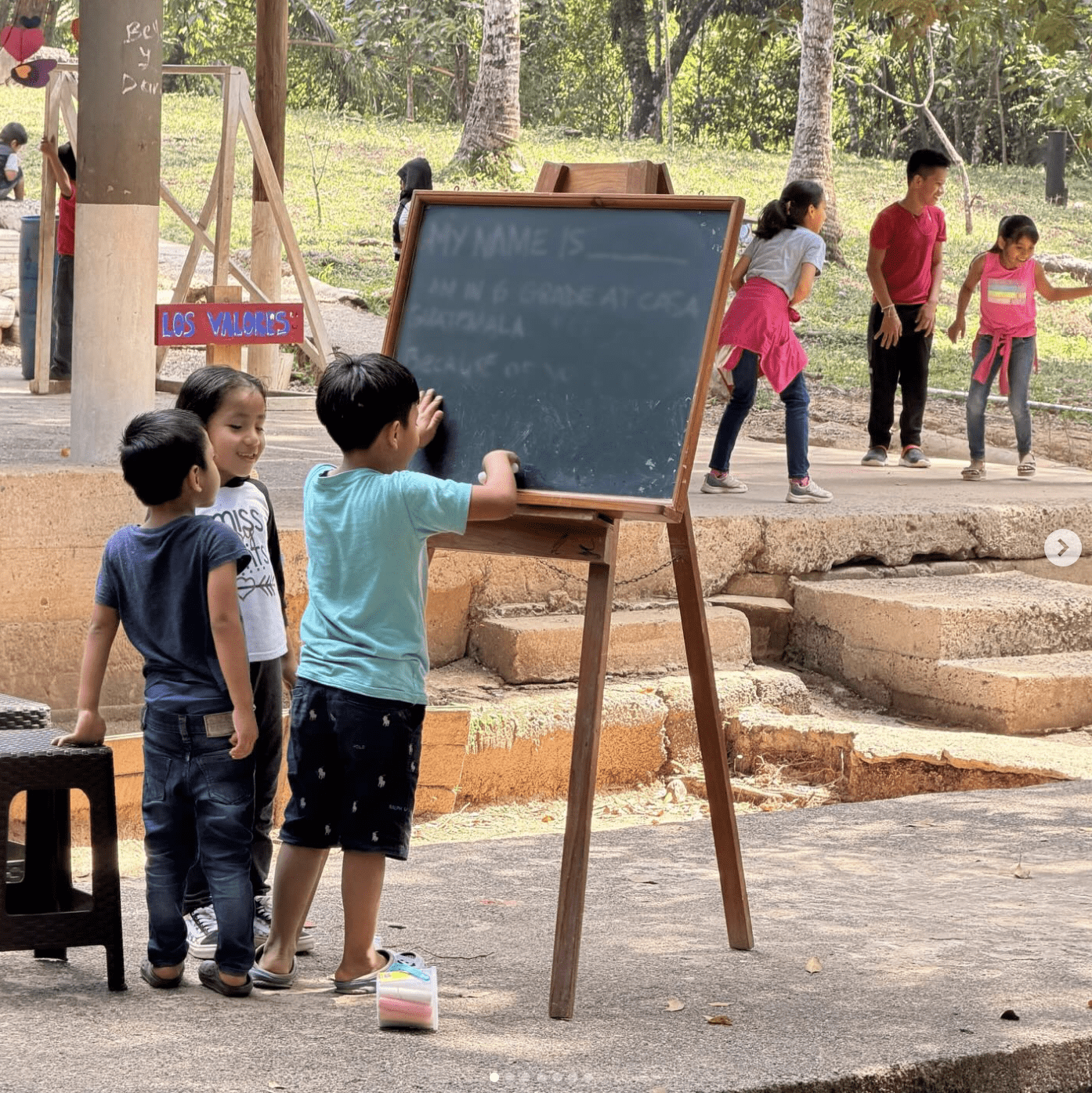
Founded in 1977 by a Canadian couple who came to help malnourished and orphaned children during Guatemala’s brutal civil war, Casa Guatemala has grown into a truly remarkable educational institution in Central America. It serves 200 children per year, draws students from 30 surrounding Q’eqchi’ Mayan villages, and operates as a private school formally registered with Guatemala’s Ministry of Education. Next year, the organization will mark half a century of uninterrupted service.
Through service learning Guatemala, students gain valuable skills and insights that extend beyond the classroom.
What Casa Guatemala actually does
Casa Guatemala is most accurately described as a self-sustaining community built around a school and everything else that makes learning possible.
On its 25 acres along Rio Dulce, Casa Guatemala operates a K-6 school, a medical clinic that provides free healthcare to students and community members, a nutrition program, a working farm with greenhouses, fish ponds, and vegetable crops, and a carpentry shop where older students develop vocational skills. The farm supplies food for the dining hall, teaches students agricultural skills rooted in the land they live on, and helps fund the organization through a small store and restaurant.
What makes this model unusual and worth understanding is how deliberately integrated it is. Education here doesn’t happen in isolation from the rest of life. A child learning to read in the morning might tend the greenhouse in the afternoon. The same land that feeds the dining hall is in the science curriculum. The medical clinic that keeps students healthy also serves the surrounding villages, weaving Casa Guatemala into the daily fabric of the wider community it was built to serve. Very little here is incidental. Almost everything serves more than one purpose.
The organization’s long-term vision is full self-sufficiency. It funds its mission through the social enterprises it has built, including Hotel Backpackers, a guesthouse in Rio Dulce where many Casa Guatemala graduates are employed today. When a student earns their diploma and transitions into adulthood, the organization often becomes their employer, community, and professional foundation.
This is what it looks like when an NGO builds something meant to last.
This model highlights the importance of service learning Guatemala in fostering long-term community development.
A connection that started with permaculture
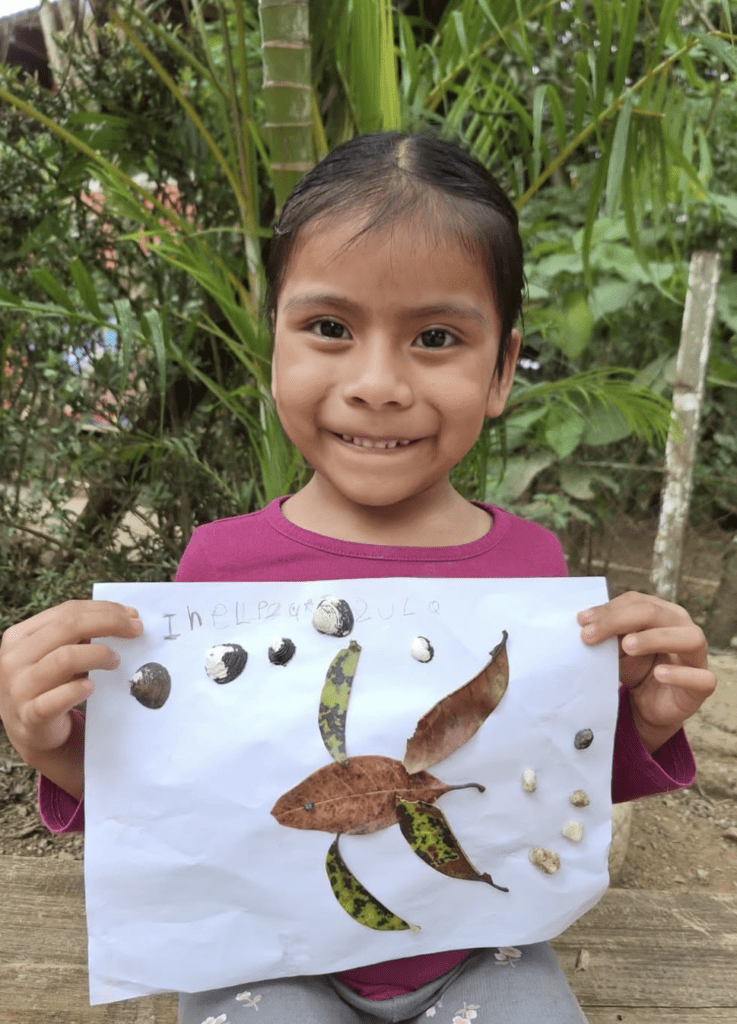
Somos Impact Travel’s relationship with Casa Guatemala started several years ago, when a student from Casa Guatemala’s program was awarded a scholarship to attend a permaculture course that Somos founder Shad Qudsi was running at Lake Atitlán. Both organizations share a philosophy about what education and opportunity actually require: context, relationship, and time.
That connection has grown into something more formal. This spring and summer, high school students from Boise, Idaho will travel to Guatemala on three Somos Impact Adventure programs and spend time at Casa Guatemala as part of their itinerary. They’ll join gym and English classes alongside the children. They’ll learn to make tortillas in the kitchen and play with students during recess and lunch at the K-6 school. They’ll contribute to a small classroom renovation project, as participants in a community that has been doing this work longer than most of their parents have been alive.
The impact of service learning Guatemala is profound, shaping both students and the local community. The students will stay at Hotel Backpackers, Casa Guatemala’s riverside guesthouse, staffed in part by the organization’s own graduates.
Why service learning in Guatemala matters for educators and group leaders
Educators recognize the value of service learning in Guatemala as a transformative experience for students.
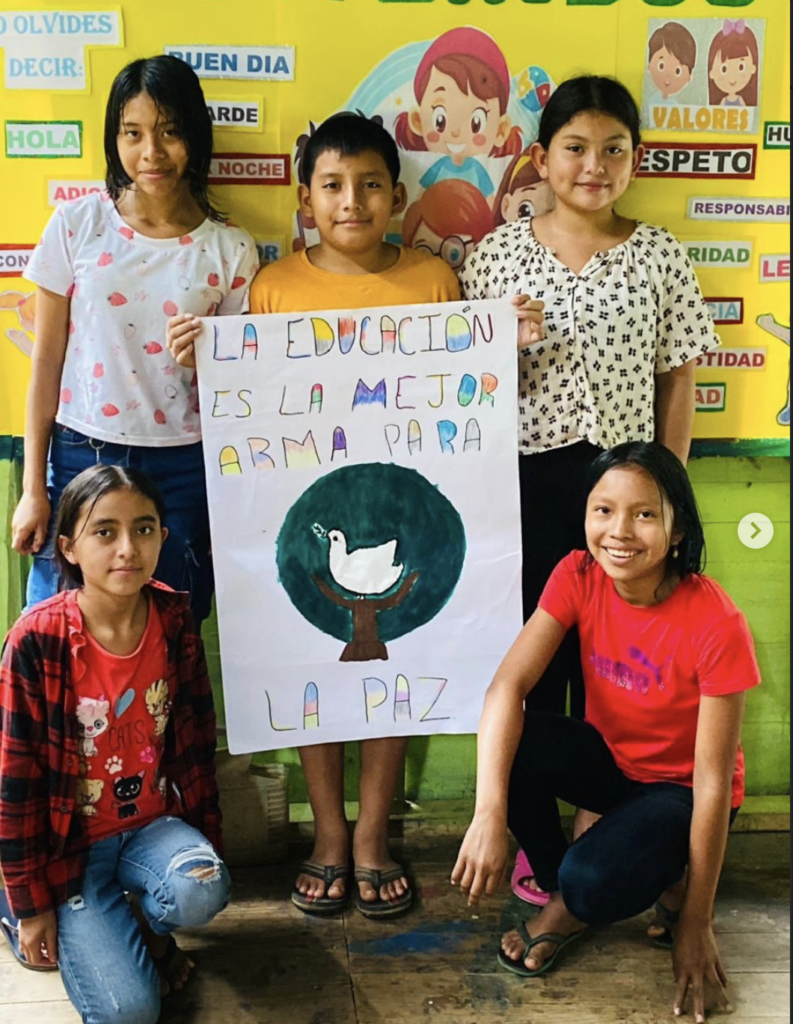
For any teacher or program director evaluating an international learning expedition, Casa Guatemala offers a genuinely rare opportunity to serve and learn from an organization with a 47-year track record, deep roots in its community, and a model sophisticated enough to absorb visiting groups without disrupting its core mission.
Travelers who spend time here are walking into an institution with more history than most of their own schools. The students they meet, the staff they work alongside, the hotel where they sleep are all part of the same ongoing project. That continuity is what makes the learning meaningful.
In a region that the Guatemalan government and much of the NGO world has consistently overlooked, Casa Guatemala has built something the surrounding communities actively seek out. Parents from 30 villages send their children here because they trust what Casa Guatemala has built over five decades. That kind of trust is earned one day at a time.
For groups coming through Somos, that trust extends to them too. Visiting students aren’t arriving as outsiders looking in. They’re arriving as guests of an institution that has earned its place in this community the slow, unglamorous way: by showing up, year after year, for children who needed them.
For many, service learning Guatemala is a journey that fosters understanding and compassion.
Somos Impact Travel partners with Casa Guatemala as part of its programming. If you’re a school, service organization, or group interested in finding out more about service learning in Guatemala, we’d love to connect. Reach out to us at team@somos.travel.
Join us in exploring service learning in Guatemala and discover how you can make a difference.