
A guide to the ecosystems, species, and conservation story that make Belize one of the most ecologically significant places in the Western Hemisphere
Belize biodiversity is astonishing. The Central American country is roughly the size of New Hampshire and is home to a population of fewer than 500,000 people. It sits at the bottom of the Yucatán Peninsula between Mexico and Guatemala with a narrow Caribbean coastline. It’s also one of the most biodiverse countries on Earth.
Belize is home to more than 150 species of mammals, 540 of birds, 150 of amphibians and reptiles, nearly 600 species of freshwater and marine fish, and 3,408 species of vascular plants. More than 4,000 different native flowering plants grow here, along with more than 700 different species of trees.
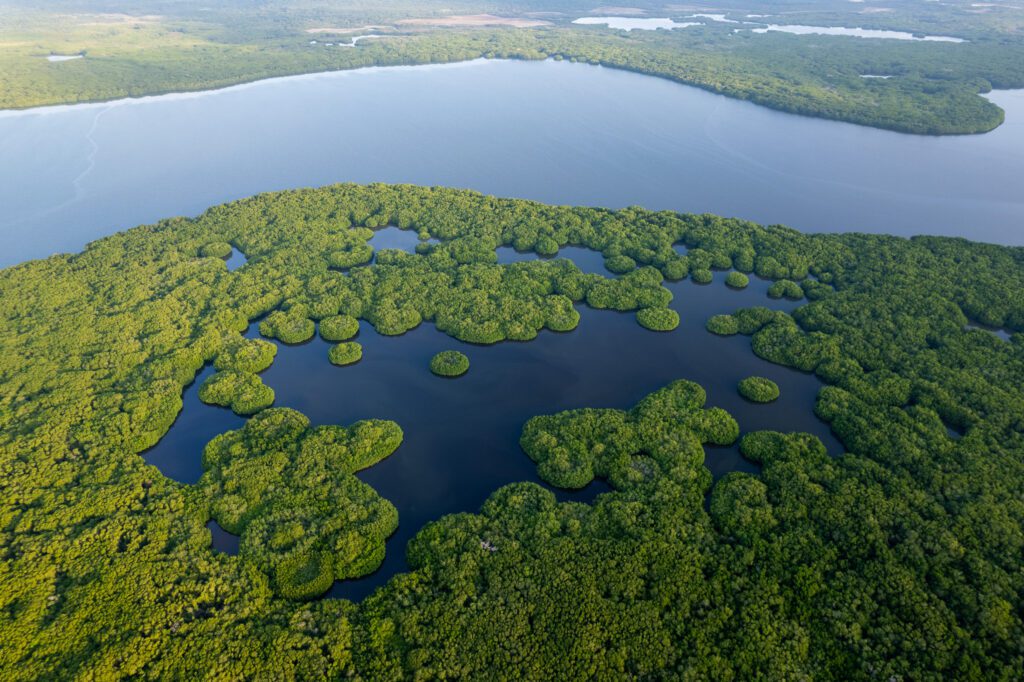
Scientists have only begun to catalog all of them, given that more than 70% of Belize is forest, rainforest, or jungle and much of it old growth and incredibly dense. Belize retains 60% of its natural forest cover, with 35.8% found within its National Protected Areas System.
For a country this small, those numbers are extraordinary. Let’s take a look at what Belize is made of and how deliberately it has chosen to protect it.
The reef
Most people who visit Belize come for the water. The Mesoamerican Barrier Reef System stretches the full length of Belize’s coastline and is the largest unbroken barrier reef in the Western Hemisphere, second in length only to the Great Barrier Reef of Australia.
The reef system has been surprisingly little studied; about 10% has been subject to organized research so far that has revealed more than 100 species of coral, as well as hundreds of invertebrates and fish. The reef is also home to endangered species including the West Indian manatee and the Nassau grouper, and it contains the Great Blue Hole, a 300-meter-wide marine sinkhole that drops 125 meters into the Caribbean and attracts divers from around the world.
Belize is home to approximately 118 internationally threatened species, including 32 endangered and nine critically endangered. The reef is under pressure from climate change, agricultural runoff, and coastal development, and its continued health is not guaranteed.
The rainforest interior
What most visitors miss is the inland story. The Maya Mountain bloc in southern Belize forms the second-largest mountain range in northern Central America and a biologically diverse area in the Maya lowlands. Primary rainforest covers vast stretches of the interior, connected to protected areas in Guatemala and Mexico through the Mesoamerican Biological Corridor, a network of linked reserves stretching from Mexico to Panama designed to allow species to move across borders.
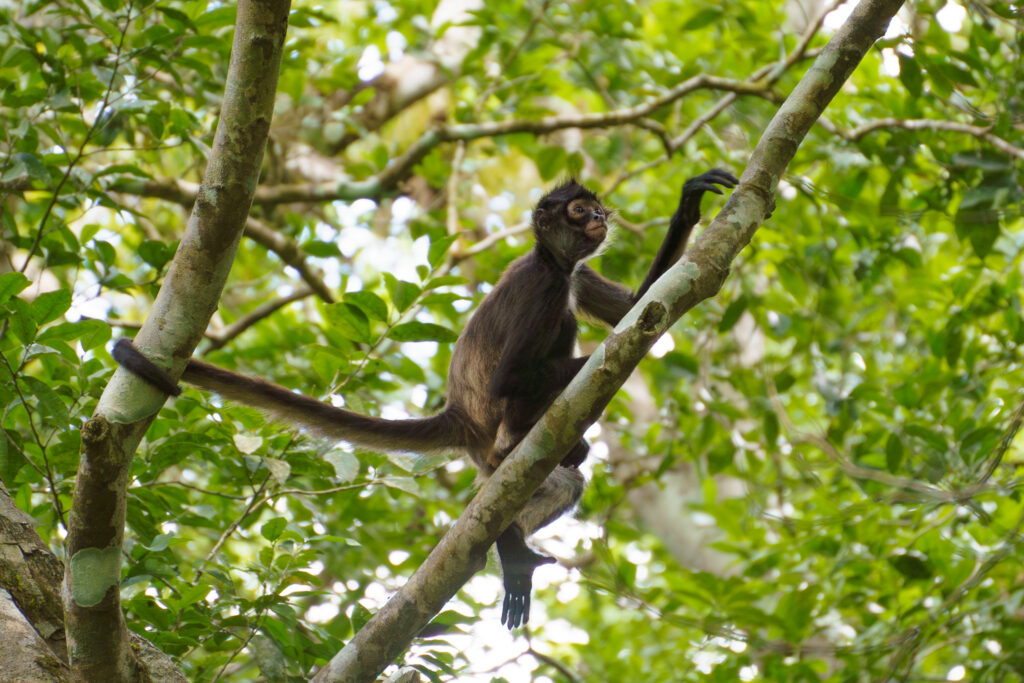
The jaguar is the most iconic resident of Belize’s rainforest interior. The Cockscomb Basin Wildlife Sanctuary in southern Belize was the world’s first jaguar preserve, established in 1984. The country’s tapir, howler monkey, and scarlet macaw populations all depend on this interior forest remaining intact. The scarlet macaw, threatened with extinction in Belize, has one of its last havens in the Chiquibul forests, where poaching remains a serious conservation concern.
The cave systems
Beneath the rainforest, Belize holds one more ecological dimension that few outsiders think about: an extensive cave system. The Maya used these caves for ceremonial purposes for thousands of years. Today they support bat colonies of extraordinary size and diversity, underground rivers, and formations that took millions of years to build. The cave ecology of Belize is its own research frontier and the bat populations that move through them are a critical part of the country’s broader ecological health.
This is the kind of research that the Toucan Ridge Ecology and Education Society (T.R.E.E.S.) in central Belize is actively working on. As part of the RELCOM Latin American and Caribbean Bat Conservation Network, T.R.E.E.S. monitors bat populations across Belize, contributing data to a regional effort to understand and protect species that most people will never see but that every ecosystem in Central America depends on.
The conservation record
What makes Belize genuinely unusual is both the biodiversity and the political and civic decisions the country has made to protect it. Belize’s National Protected Areas System now encompasses 35.8% of the nation’s landmass and 19.8% of its marine environment. That is a remarkable commitment for a country where tourism, much of it nature-based, contributes more than 40% of GDP.
The Belize Audubon Society, founded in 1969, helped build public awareness of conservation well before independence. After Belize gained independence in 1981, the government passed both the National Park System Act and the Wildlife Protection Act, designating protected areas and codifying protections for the country’s biodiversity. The institutions built in those decades (protected areas, conservation NGOs, and research stations) are why so much of Belize’s natural world is still intact today.
What this means for groups traveling with Somos
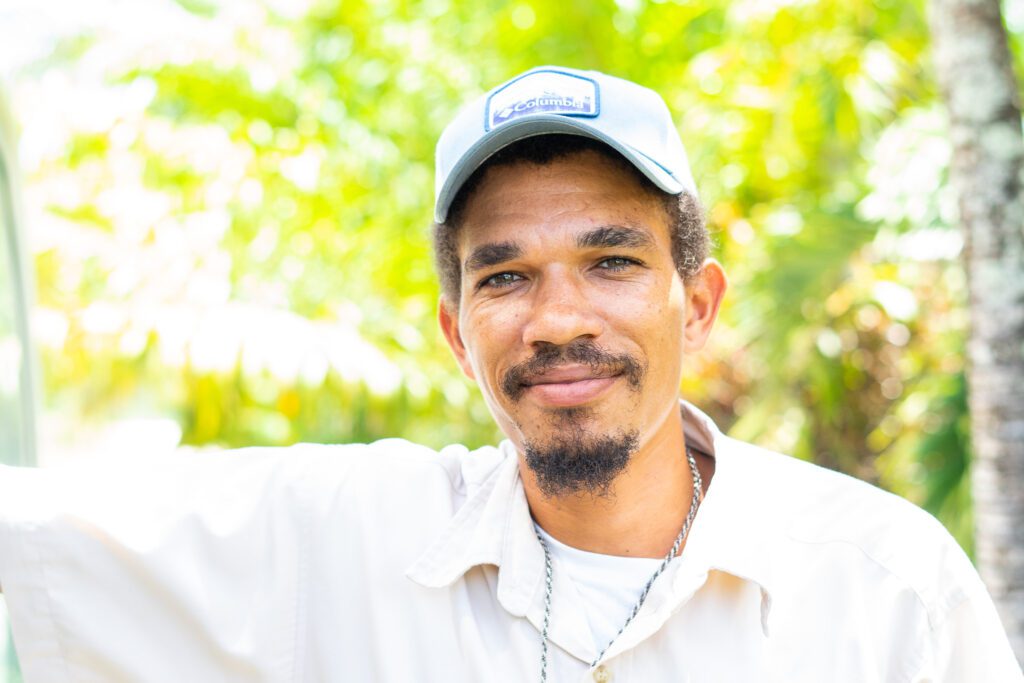
When Somos brings a group to Belize, the biodiversity is the curriculum. The organizations Somos partners with in Belize, including T.R.E.E.S., are doing active conservation work in the ecosystems described above. Students who spend time at a field research station in central Belize are learning about tropical ecology from biologists in the field, in a country that has made an unusual commitment to keeping its natural world available to study.
That combination of rich biodiversity, functioning protected areas, active research, and genuine community involvement makes Belize one of the most compelling destinations for impact travel in the Western Hemisphere.
Somos Impact Travel runs programs in Belize in partnership with T.R.E.E.S. and other conservation partners, connecting schools, corporate groups, Rotary clubs, and other donor groups with local NGO leaders. Visit somos.travel/experiences to explore programs or start planning your group’s expedition.