
Everything students, parents, and educators need to know before joining a tropical field research program
A student who has spent years reading about ecology in a classroom finds themselves standing in the rain, covered in mud, holding a bird they helped catch in a mist net thirty seconds earlier. At that moment, science stops being a subject and becomes a real-world practice.
This guide covers everything students, parents, and educators should know about field research for students considering a tropical ecology program:
- what field research looks like in practice
- how to prepare for it
- why it matters enough to justify the discomfort that comes with it
What is ecological field research for students?
Field research is the practice of studying living systems in the place where they exist, rather than in a lab or a classroom. For tropical ecology, this means working directly in rainforests, reef systems, wetlands, or cave networks, using the methods that working biologists use to collect data.
Programs vary widely in structure and intensity, but most combine lectures, lab work, and field studies to build research skills progressively. The strongest programs have participants design and undertake their own fully supervised research project, often working with a partner, and many students publish their first scientific paper based on this work.
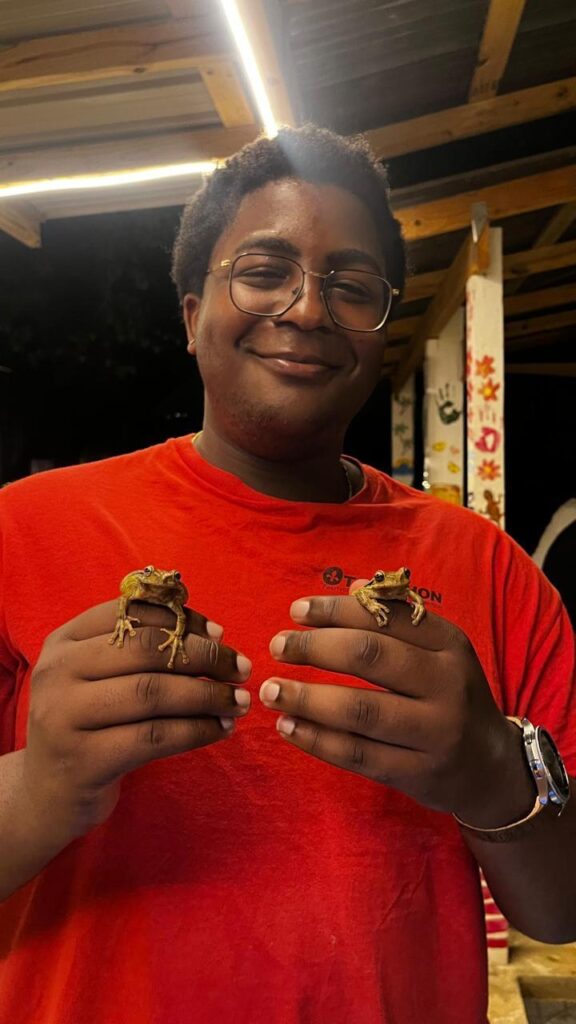
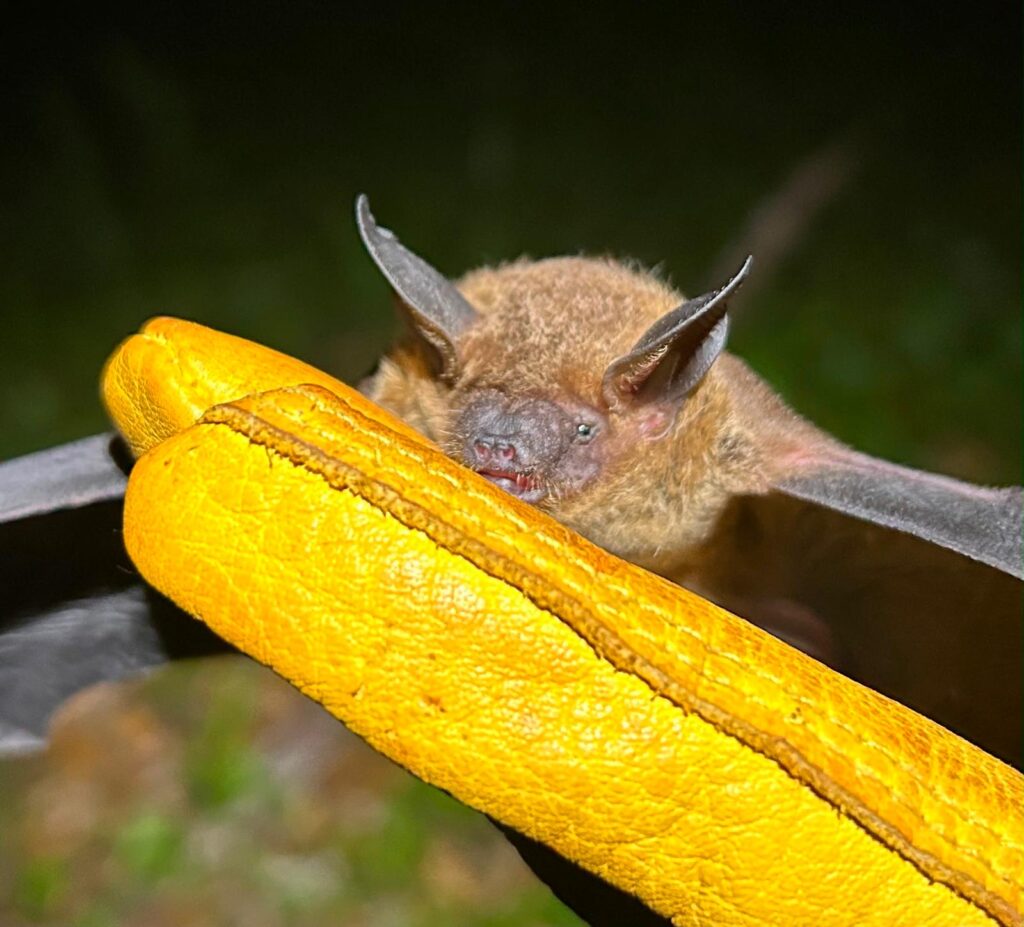
The methods are concrete and learnable, such as mist netting for bird banding, acoustic monitoring for bats, radio telemetry for tracking turtles or larger mammals, and transect surveys for reptiles and amphibians. These techniques do not require years of prior training, but rather careful instruction, patience, and a willingness to be uncomfortable.
What a typical day looks like
Field research runs on a different clock than school does. Days at a research station typically begin early, around 6:00 a.m. with breakfast and fieldwork starting by 7:00 a.m., and the schedule depends on what the day’s research requires. Some days, students are out in the field from morning to evening, conducting faculty-led or independent research projects. Other days might be spent indoors learning research design, statistical analysis, or how to communicate scientific findings to a general audience.
At a station focused on tropical biodiversity, a single day might include a pre-dawn bird banding session, herpetology transect surveys at midday, and nighttime bat monitoring after dark. The variety is part of the design. Tropical ecosystems operate on multiple overlapping schedules.
What to expect physically
Field activities are physically demanding and may involve swimming, climbing, or long-distance hikes over rough terrain. Instruction often takes place outdoors, sometimes at night, with heavy rainfall and dramatic temperature changes as a regular feature of the experience.
Getting wet and muddy is part of tropical rainforest fieldwork. Some courses involve slogging through deep mud extensively. Insects are a constant presence, manageable with repellent and appropriate clothing but a real factor to plan around.
It is the terrain that tropical ecosystems exist in, and learning to work within it is part of what the experience teaches.
The social dimension
Most people preparing for a field research trip focus on the science and the physical conditions. Just as important, and far less discussed, is the experience of close communal living with people you may not know well.
Field programs typically involve living closely with 10 to 15 other people, sharing bathrooms and common areas, with limited personal space. For success in a field-based program, communication and respect are essential, along with flexibility and a good sense of humor.
For students accustomed to more individual space and routine, this adjustment can be as significant as the physical or academic challenges. For many students, learning to function well within a small, interdependent group under unfamiliar conditions is also one of the most valuable parts of the experience.
How to prepare
Recommended field gear typically includes a lightweight raincoat, calf-high rubber boots, a field data notebook and mechanical pencils, insect repellent, sun protection, long-sleeved field shirts, lightweight field pants, and a water bottle. Packing old, inexpensive clothing rather than new gear is standard advice, since field clothes routinely get stained or damaged.
Beyond gear, the most useful preparation is mental. Students who arrive expecting comfort and predictability tend to struggle. Students who arrive expecting to be wet, tired, occasionally bored, and occasionally amazed tend to thrive.
Why it matters
Programs built around direct field experience help students recognize ecological processes and patterns through research and exploration across genuinely diverse ecosystems, developing a research toolbox they carry into further study and future careers.
The deeper value is in what field research teaches about the nature of science itself. Classroom science is generally clean, with a hypothesis, a controlled experiment, and a clear result. Field science is messy. Data doesn’t necessarily cooperate. Animals don’t show up on schedule. The weather interferes. Unpredictability is an inherent feature of field-based programs, and learning to work productively within that unpredictability is one of the most transferable skills a young scientist can develop.
For students considering careers in biology, ecology, conservation, or environmental science, this exposure is close to irreplaceable. Even for students who have no intention of pursuing science as a career, it offers a direct, embodied understanding of how the natural systems that sustain human life function, observed firsthand.
What this looks like with Somos
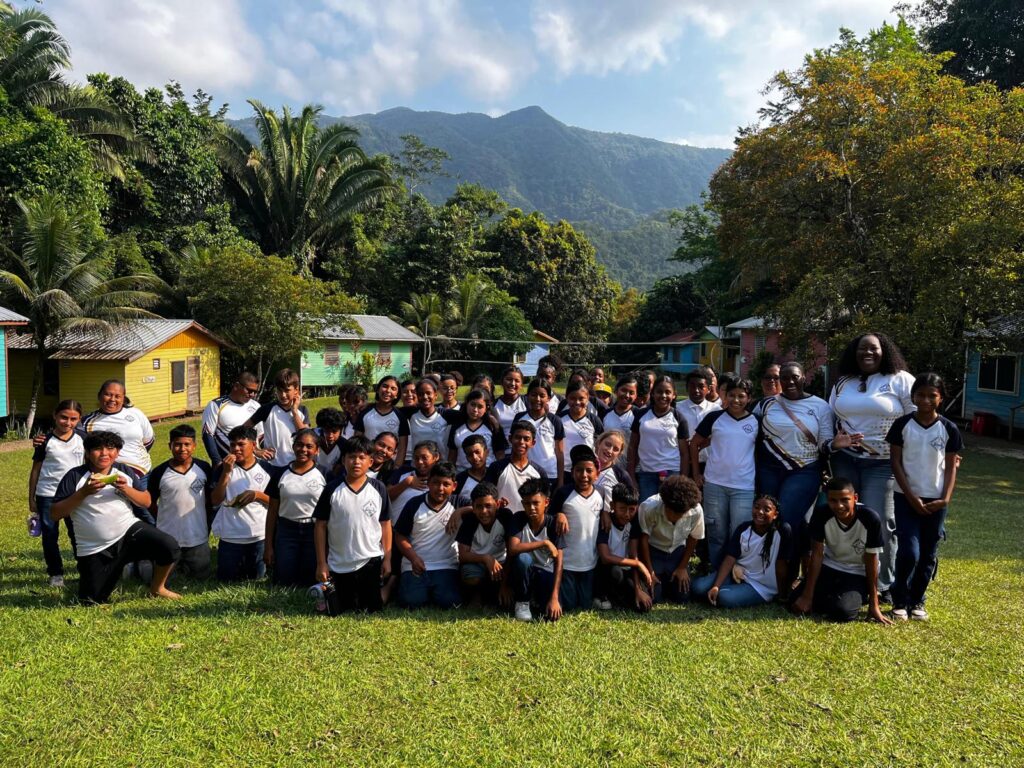
Somos Impact Travel partners with T.R.E.E.S. in Belize to offer exactly this kind of field research experience to student groups. At the station, students assist with long-term ecological monitoring across bird, bat, herpetology, and turtle research programs, working with biologists using the methods described in this guide. The work is real, the data contributes to ongoing research, and the experience is built around genuine scientific practice.
For schools and universities considering a field research component to their travel programming, here are questions worth asking:
- Is the research real and ongoing?
- Are students learning actual field methodology from working biologists?
- Does the program engage meaningfully with the local community, or does it exist in isolation from it?
Programs that answer yes to all three tend to produce the kind of transformation that justifies the discomfort along the way.
Somos Impact Travel runs programs in Belize in partnership with T.R.E.E.S. and other conservation partners, connecting schools, corporate groups, Rotary clubs, and other donor groups with local NGO leaders. Visit somos.travel/experiences to explore programs or start planning your group’s expedition.